Equipment, Barns and Expansion
The Loan Options for Robotic Milking Systems in Texas
Robotic milking trades labor for capital, and the capital is considerable. Here is how Texas dairy families can think about financing it, and which questions to settle before a lender asks them.
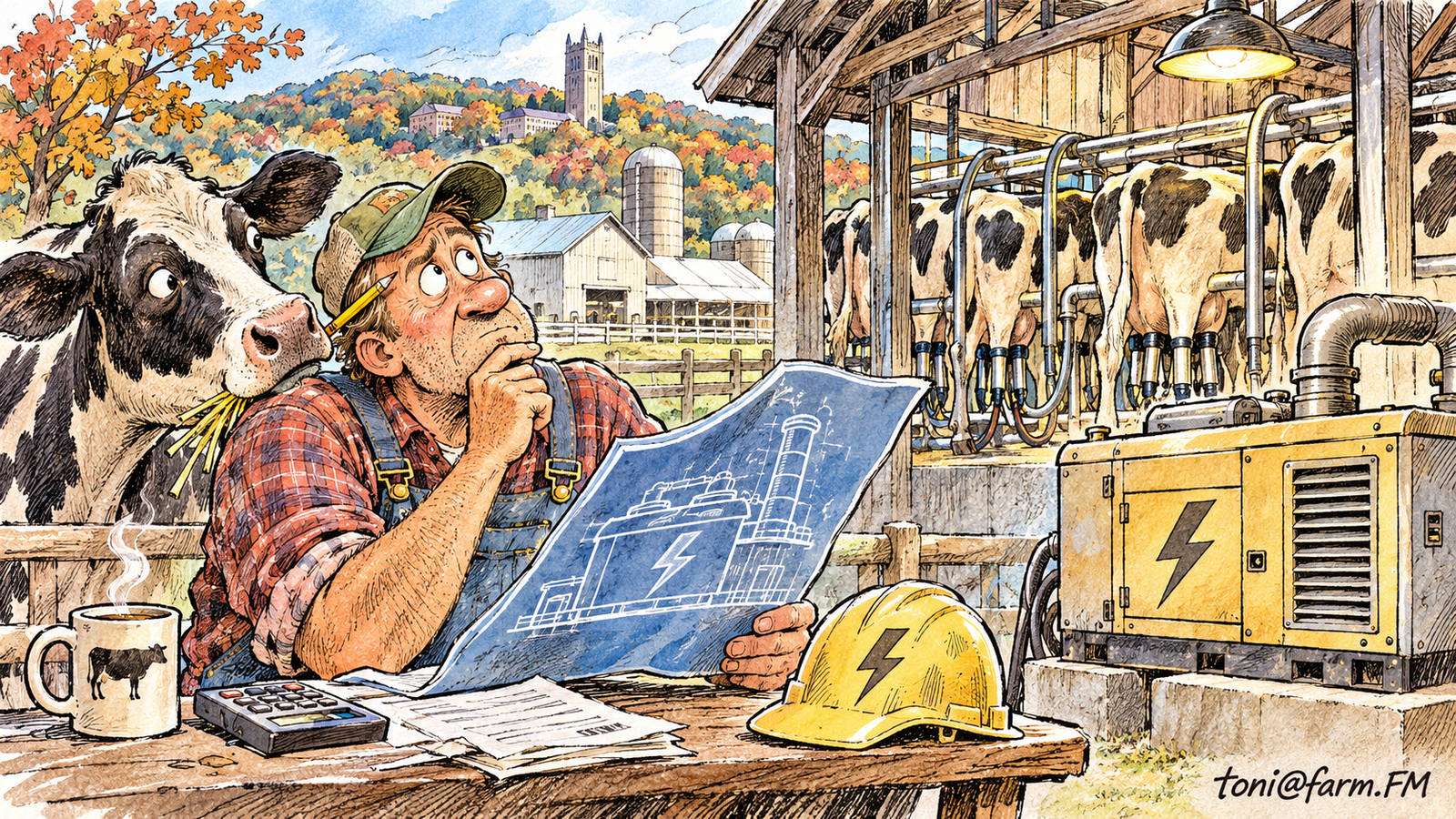
Is a robotic milking system a good loan candidate?
Robots appeal to dairies that struggle to hire and keep milkers, or that want cows to choose when to be milked. Lenders will ask whether the benefit shows up as dollars: less labor, more milk per cow, fewer health problems. If the case rests mainly on convenience, expect more scrutiny.
Because the technology changes quickly, a lender may also ask about service, software support and resale value. Those are fair questions to ask the equipment seller as well.
Talk to dairies that already run robots before deciding. Hearing about downtime and daily routines from someone who lives with it is worth a lot.
Where the money can come from
Common routes include a term loan from a community bank, a Farm Credit association loan, equipment financing offered through the dealer, and for some borrowers an FSA loan or guarantee. Each has trade-offs in rate, term, collateral and flexibility.
Do not rely on an advertised monthly payment. Ask for the full amortization, the total interest, any prepayment penalty, and what collateral the lender takes beyond the robots themselves.
- Term loan from a bank or credit union.
- Farm Credit association financing.
- Dealer or manufacturer financing.
- FSA direct or guaranteed loans, if you qualify.
Building the payback case
Start with your current labor cost, including the hours you and family put in. Estimate honestly what the robots would replace, what new costs they add (power, service contract, maintenance, cleaning supplies), and what milk yield change is realistic. Do not borrow an optimistic number from a brochure.
Then run it at a lower milk price. The weekly Dairy Market News data and NASS statistics help you see how production and prices have behaved. A plan that only works in a good year is fragile.
Be skeptical of any claim that a robot pays for itself in a set number of years. Payback depends on your herd, your labor costs and how well the system is managed, so build your own estimate from your own records.
Infrastructure the robots need
Robots usually need a barn layout designed around them, reliable electrical power, water, internet connectivity, and sometimes backup generation. In Texas, summer heat and storms can interrupt power, so ask what happens to a robotic system during an outage. The National Weather Service warnings help you plan for severe weather.
Include these costs in the loan request. Surprises that show up after closing tend to land on your cash flow, not the lender's.
People, training and the learning curve
A robot changes the job rather than eliminating it. Someone still manages data, checks cows and handles repairs. Ask suppliers about training and local technician availability in your part of Texas, since a long wait for service means lost milk.
Texas A&M AgriLife Extension specialists and Dairy MAX can sometimes connect you with producers who have already made the switch. Their experience is worth more than a brochure.
Questions to ask the seller and the lender
Ask the seller about uptime, service response time in Texas, software subscription costs and what happens to the system if the company changes hands. Ask for references from dairies of similar size, and call them.
Ask the lender about the term, what collateral secures the loan, whether the payment can be restructured in a downturn, and how the loan treats equipment that becomes outdated. Keep notes from each call so you can compare answers later.
Cautions and next steps
Talk with a licensed accountant about depreciation and tax treatment, because that affects after-tax cash flow, and have an attorney review the sales and finance contracts. This site is an education resource and not a lender; none of this is financial, legal or tax advice. For tax basics see the IRS.
Plenty of dairy people read farm.FM for the economics and the humor, including the dairy stories and farm satire, plus one farm.FM piece about robot milkers. For herd-side details, see the dairy herd guide, and for budgeting see the farm money guide.
Sources and further reading
- Farm Credit: cooperative agricultural lending network
- FSA Farm Loans: FSA direct, guaranteed, microloan and emergency loan information
- USDA Dairy Market News: weekly dairy price reports
- USDA NASS: agricultural statistics and surveys
- Texas A&M AgriLife Extension: Texas extension service
- IRS: federal tax guidance
Ask locally: Visit a dairy that already runs robots, and ask a Texas AgriLife Extension dairy specialist to review your payback estimate.
General education only, not financial, legal or tax advice, and Texas Dairy Loan Guide is not a lender. Rates, terms and deadlines change, so confirm current details with the lender or agency.