Equipment, Barns and Expansion
Financing a Dairy Expansion in the Texas Cross Timbers
Growing a dairy in the Cross Timbers means more than a bigger barn. It means more cows, more feed, more labor, more manure and more milk to sell, and each piece has to be paid for before the first extra check arrives.
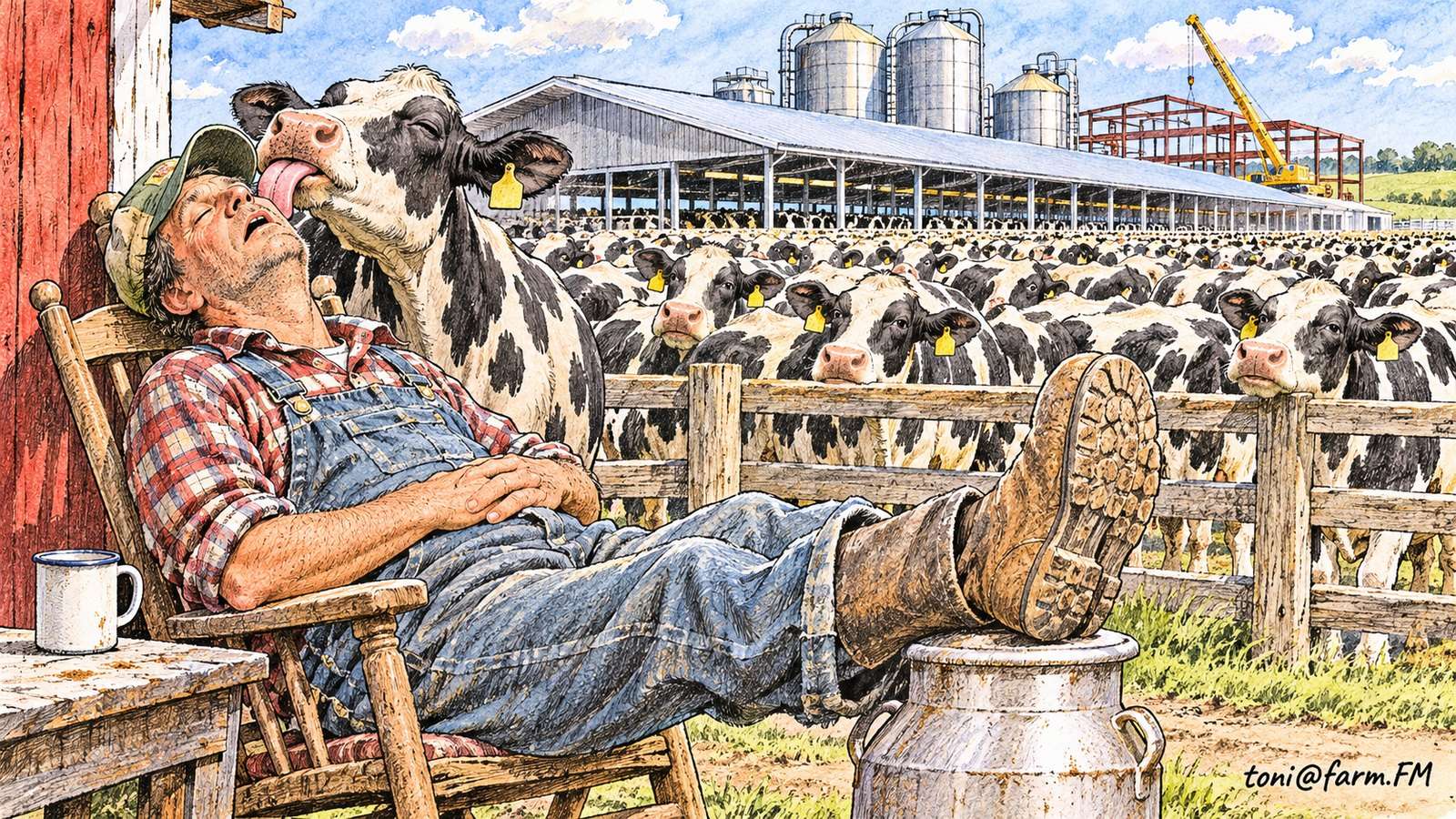
Why is expansion the riskiest time to borrow?
A dairy that adds cows takes on costs months before the milk pays them back. Heifers need to grow into the herd, new facilities need to be built, and feed needs to be bought for a larger group. Lenders know this gap and look hard at your cash cushion.
Write down the full timeline, from the day you commit to the day the new cows are covering their own costs. That timeline is the heart of your loan request, and the gap in it is the number you need to fund.
What belongs in an expansion budget?
Beyond construction, build in the items that surprise people. Include milking capacity upgrades, cow comfort, water, manure handling, feed storage, utility hookups, permits, labor and cooling for Texas summers. Add a contingency line for cost overruns.
Get quotes in writing, and do not leave out your own time. If you are managing a build while milking, something suffers. A dairy herd management guide can help you think through facility needs per cow.
- Cows, heifers or replacement stock
- Barn, parlor or milking system changes
- Feed and commodity storage
- Manure and water handling
- Operating cash for the ramp-up period
What do lenders look at first?
They look at management history, current financial statements, repayment ability under conservative milk prices and the strength of your milk market. Many ask for a written business plan and projections under more than one price scenario.
Compare a few sources: local banks, credit unions, Farm Credit associations and the FSA loan programs. Each has its own appetite for expansion. The USDA Economic Research Service publishes dairy sector context that may help support your assumptions.
How do you test the plan before you commit?
Run the cash flow using lower milk prices and higher feed costs than you expect. Then check whether the dairy still meets its payments. Use USDA Dairy Market News for price history and the Dairy Margin Coverage page to understand how that program views margins.
Consider expanding in phases. A smaller step can prove your management capacity and your milk market before you take on the full build. Lenders often respond well to a staged plan.
What are the regional factors near Hico and the Cross Timbers?
Central Texas dairies deal with summer heat, variable rainfall, and a mix of local and purchased feed. Land and water access can limit how many cows you can responsibly add. Check with TCEQ about environmental permitting requirements before design work, because a plan that cannot be permitted cannot be financed.
Local expertise matters here. Texas A&M AgriLife Extension and the Texas Farm Bureau can connect you with producers and specialists. Another useful resource is farm equipment buying advice for equipment decisions.
What should you do next?
Pull together your records, build the timeline, get the quotes, and meet with at least two lenders. Ask each one about fees, term, prepayment, covenants and what they need to see at each stage. Bring a trusted accountant to at least one meeting. Ask each lender for a written list of what they still need, so nothing surprises you the week before closing.
This is an education site, not a lender, and nothing here is financial or legal advice. Check current terms with licensed professionals. For lighter reading about growth gone sideways, farm.FM has farm satire and a farm.FM story about dairy growth. For deeper money context, the farm economics and agribusiness section is worth a look.
How do you keep family and labor in the plan?
Expansion changes who does what. More cows usually mean more milkers, more feeding hours and more record keeping. Decide early who is responsible for each job, and who the new hires will be. A lender wants to see that management is not stretched too thin.
If the next generation is coming into the business, treat the expansion as part of the succession plan. Get roles, ownership and compensation on paper, and consider asking an attorney to review. The farm job and career guide may help when you start looking for people to hire.
Sources and further reading
- Farm Credit: cooperative agricultural lending network
- FSA Farm Loans: FSA direct, guaranteed, microloan and emergency loan information
- USDA Economic Research Service: farm economy data and analysis
- USDA Dairy Market News: weekly dairy price reports
- Dairy Margin Coverage: FSA Dairy Margin Coverage program
- TCEQ: Texas environmental regulator
Ask locally: Meet with a licensed ag lender, a farm accountant and your Texas A&M AgriLife Extension office before committing to a build.
General education only, not financial, legal or tax advice, and Texas Dairy Loan Guide is not a lender. Rates, terms and deadlines change, so confirm current details with the lender or agency.