Equipment, Barns and Expansion
How to Finance a Cheese-Making Facility in Texas
Turning milk into cheese can raise what each gallon earns, but it also turns a dairy into a food manufacturer. The loan request has to cover that jump, not just the equipment.
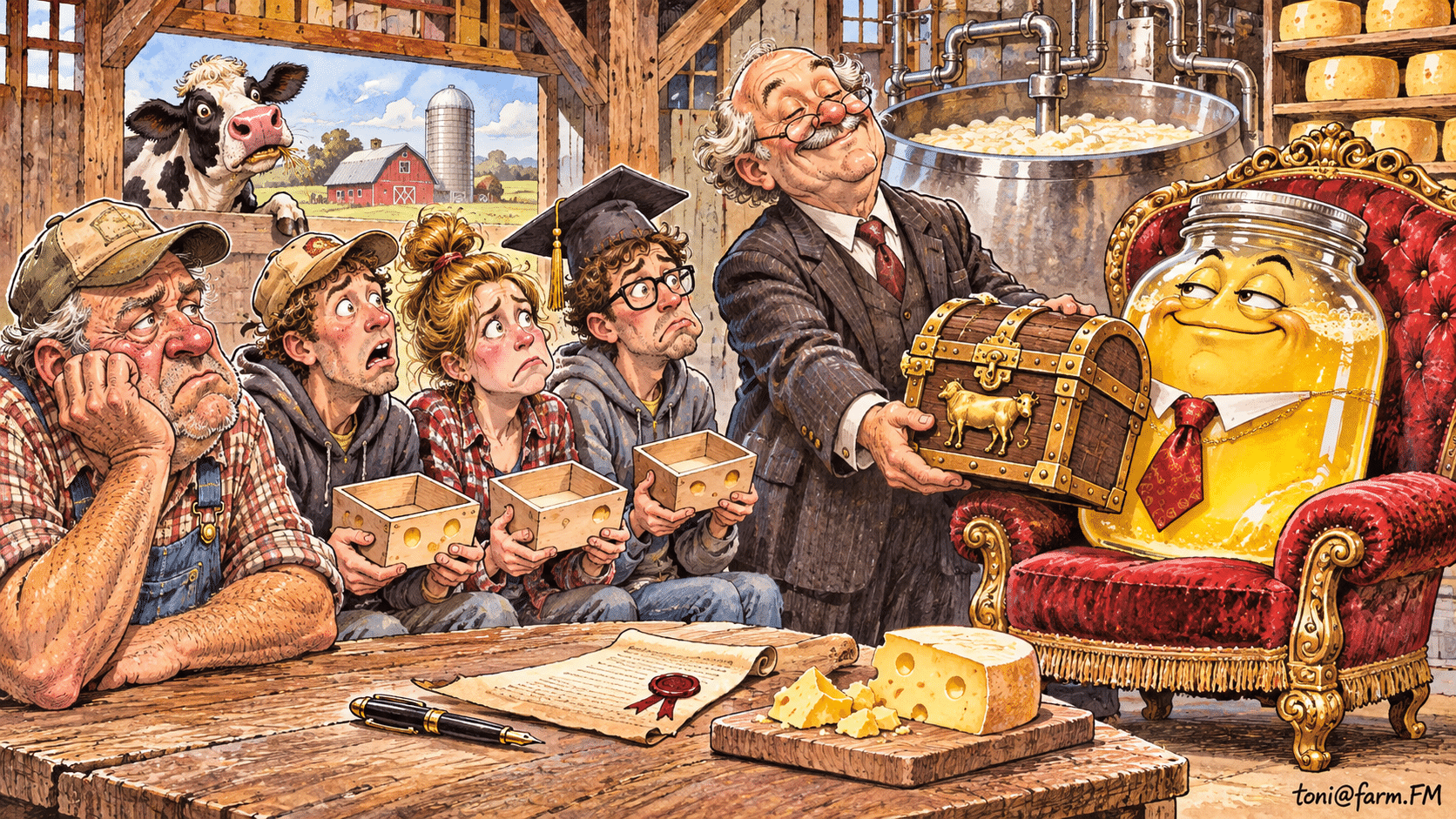
What makes a cheese plant different from a dairy loan?
A dairy sells a commodity at a market price. A cheese plant sells a finished food, and that means new costs: a licensed facility, regulated processing, packaging, labeling, cold storage, distribution and marketing. A lender will see two businesses, and will ask whether you can run both.
Many producers start with a small test batch operation before building a full plant. That approach limits risk and lets you learn what your customers will pay. It also gives you records to show a lender.
What costs should go into the budget?
Beyond the building and vats, list the items that get forgotten. Include floor drains, wash stations, water treatment, aging rooms, refrigeration, packaging equipment, lab testing, insurance, recall coverage, start-up inventory and the working capital to carry cheese while it ages.
Aging is a cash flow issue. Cheese that takes weeks or months to mature ties up money that a normal milk check would have delivered right away. Show your lender exactly how long cash is locked in each product.
Ask an equipment dealer and a food plant consultant to review the list before you finalize it. A second set of eyes often catches the drain, the clean-in-place gear or the cooler capacity that a first draft leaves out.
- Building, floor, drains and utilities
- Vats, presses, coolers and aging rooms
- Licenses, plan review and inspections
- Packaging, labels and testing
- Working capital for aging inventory
Which rules apply before you build?
Food plants face regulation at the state and federal level. The FDA sets food safety expectations, and in Texas the state health and agriculture authorities handle licensing and inspection. Start by calling the agencies before you draw plans, since a layout that fails review is an expensive lesson.
The Texas Department of Agriculture is a sensible first call for state producer programs, and Texas A&M AgriLife Extension may know specialists in dairy processing. Check current rules directly, because requirements change.
How do lenders judge a cheese business plan?
They want to see a market. Who buys, at what price, how often and through what channel? Letters of interest from retailers and sales from a test batch are stronger than hopes. They also check the management team's food experience.
Present conservative sales ramps and a break-even analysis. Compare sources such as local banks, Farm Credit associations, the SBA counseling network and USDA Rural Development. Ask each about value-added or processing programs, and confirm all terms yourself.
Be honest about what you do not know. A lender is more comfortable with a producer who says they plan to hire an experienced cheesemaker than with one who plans to learn on the job with borrowed money.
Can you test demand before borrowing big?
Yes, and you should. Use a shared kitchen, a custom processor or a small pilot setup to make samples and sell at local markets. Track cost per pound, yield, shelf life and what sells. Hill Country and Dallas-Fort Worth markets are within reach of Hico, and farmers markets there can give early signals.
Record every number. A one-page summary of pilot sales, costs and lessons can carry more weight with a lender than a glossy brochure. For more on adding products to a small farm, see this small farm value-added guide.
If a retailer or restaurant wants your cheese, ask what volume and price they expect, and whether they would sign a simple supply letter. Even a nonbinding letter shows real interest.
How should you protect cash flow while you build?
Keep the milk business strong while the cheese side starts up. Consider keeping a cash reserve large enough to cover the slowest sales months. Watch milk prices through USDA Dairy Market News to decide how much milk to divert to cheese.
Look at the equipment side, too. Used processing equipment may save money but check condition and service support, and see farm equipment buying tips for questions to ask on any used machinery purchase.
What are the next steps?
Write a one-page concept, call the regulators, price a small pilot and meet two lenders. Bring an accountant and, if the business will have owners beyond you, an attorney. Ask what each lender needs for the full application.
This independent education site does not make or arrange loans, and nothing here is financial advice. Confirm terms with licensed professionals. For farm.FM readers, the farm food stories fit the theme, the dairy section covers the milk side, and a farm.FM story about dairy and cheese is a fun bonus.
Sources and further reading
- FDA: food and drug safety
- Texas Department of Agriculture: state agriculture agency
- Texas A&M AgriLife Extension: Texas extension service
- Farm Credit: cooperative agricultural lending network
- SBA: small business loans and counseling
- USDA Rural Development: rural business and community programs
Ask locally: Ask the Texas Department of Agriculture and your Texas A&M AgriLife Extension office about processing rules, then a licensed lender about structure.
General education only, not financial, legal or tax advice, and Texas Dairy Loan Guide is not a lender. Rates, terms and deadlines change, so confirm current details with the lender or agency.