Equipment, Barns and Expansion
Financing a Dairy Expansion in the Texas High Plains
The Texas High Plains have long been dairy country, with big herds, irrigated feed crops and a strong supply chain. Expanding there can make sense, but a bigger herd also means bigger risks, and the financing needs a plan.
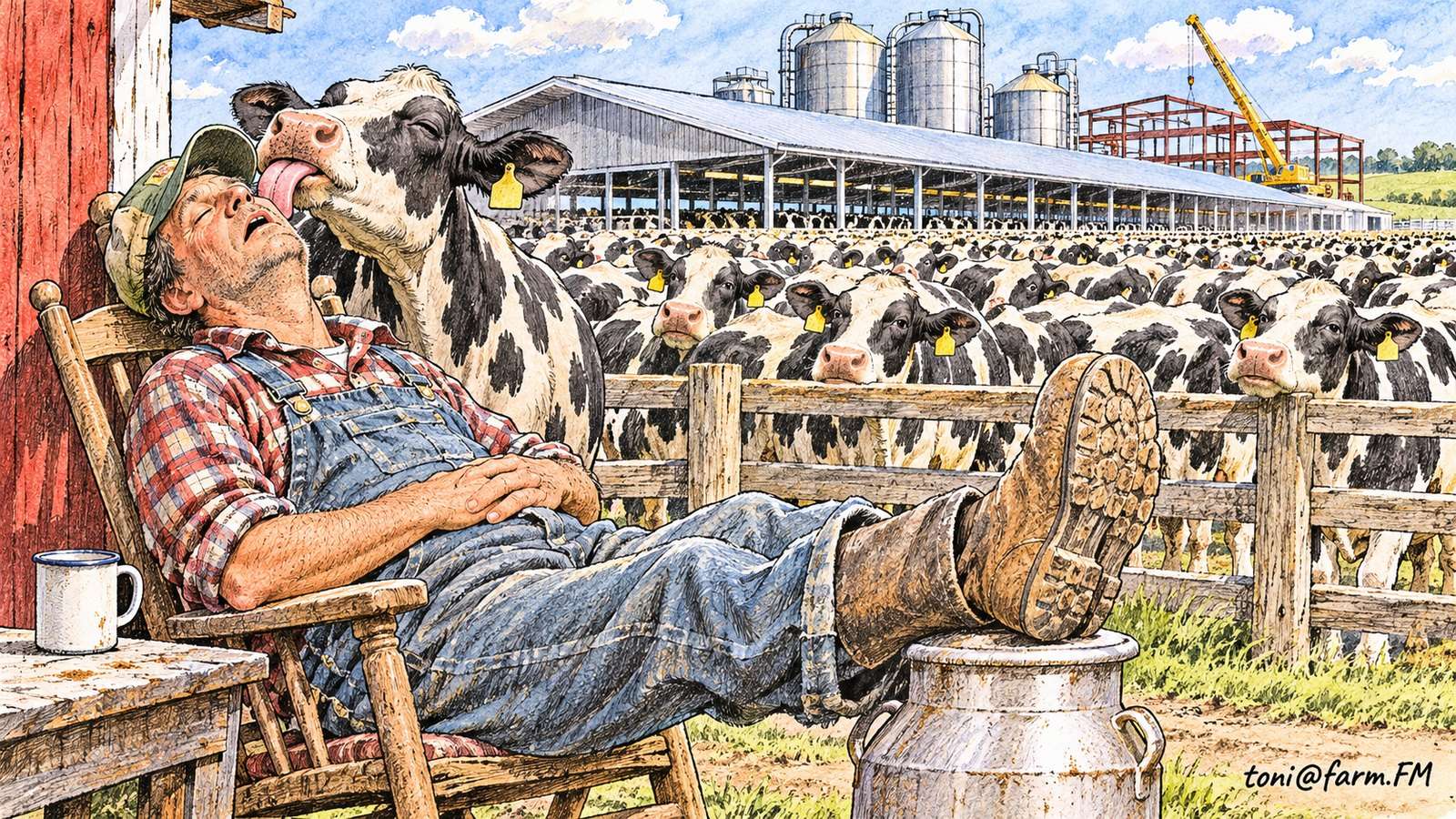
What makes expansion different from starting up?
An existing dairy already has a track record, a milk market and a team. That helps with lenders, because they can look at real production and cash flow. But expansion adds debt on top of current obligations, and it leaves less room for error.
Before talking to a lender, decide what you are really expanding: cow numbers, a new barn, a parlor upgrade, feed storage or manure handling. Each has a different cost, a different payback and a different kind of risk.
Think also about timing. A big project that starts when milk prices are strong may be finished when they are weak. A lender will ask how the plan holds in a down cycle, so have an answer ready.
How does water shape the plan?
The High Plains depends heavily on groundwater, and supply and regulations vary across districts. A larger herd and more feed crops mean more water use, and lenders will want proof that you have the rights and capacity to support it.
The Texas Water Development Board offers regional planning information, and your local groundwater district can explain rules. Ask them early, since an expansion that outgrows its water is a costly mistake.
Ask for a clear picture of how the lender sees your water and groundwater risk. Some lenders have experience with High Plains dairies, and their questions can reveal what you may have missed.
What about feed, milk and labor?
More cows need more feed, and feed cost drives most dairy margins. Decide whether you will grow, buy or contract your feed, and stress test the plan against high prices. Check market data from USDA Dairy Market News and the USDA NASS statistics to see how conditions have moved.
Milk has to go somewhere. Confirm that your processor or cooperative can take added volume, and understand how pricing works. Labor is the other constraint, so ask what you will pay and where workers will come from. The Department of Labor explains workplace rules that matter when adding staff.
- Water rights and capacity
- Feed supply and price assumptions
- Milk market for added volume
- Labor availability and cost
- Manure and environmental compliance
How do lenders evaluate an expansion?
They look at your existing cash flow, your debt-to-asset position, the quality of your management and the soundness of the plan. They will check whether the numbers still work if milk falls or feed rises.
Compare a Farm Credit association, a commercial bank and possibly FSA guaranteed loans. Ask about construction financing, how draws are handled during building and when the permanent loan starts. Request written terms and compare the total cost.
How can you manage risk during growth?
Phase the expansion if you can. Add capacity in steps, and let the dairy prove it can handle each stage. A phased plan can cost more per cow but protects you from a single big miss.
Use price protection tools where they fit. Dairy Margin Coverage and other risk programs may help with downside, and an insurance agent can explain what is covered. Keep a reserve and review the plan every quarter.
Be sure insurance covers the new buildings and equipment before you take on debt, and ask your lender what coverage they require. A fire or storm during construction is a bad time to find a gap.
Who should be on your team?
An accountant familiar with dairy, an engineer for design, a veterinarian, a nutritionist and an attorney all earn their fees on a project like this. AgriLife Extension dairy specialists provide independent advice as well.
For background on herd health and management, the dairy herd guide is a useful reference, and the farm safety guide covers worker safety on bigger operations. Over at farm.FM there are dairy economics stories at the dairy section and news page, including a farm.FM story on dairy growth. This site is education only and does not make or arrange loans.
Sources and further reading
- Texas Water Development Board: water planning and funding
- USDA Dairy Market News: weekly dairy price reports
- USDA NASS: agricultural statistics and surveys
- U.S. Department of Labor: labor rules and programs
- Farm Credit: cooperative agricultural lending network
- Dairy Margin Coverage: FSA Dairy Margin Coverage program
Ask locally: Your accountant, an engineer and AgriLife Extension dairy specialists should review the plan before you meet with a lender.
General education only, not financial, legal or tax advice, and Texas Dairy Loan Guide is not a lender. Rates, terms and deadlines change, so confirm current details with the lender or agency.