Equipment, Barns and Expansion
Financing a Dairy Expansion in the Texas Piney Woods
Expansion is where a good dairy can get stretched thin. In East Texas pine country, the money question and the forage, water and rainfall questions have to be answered together.
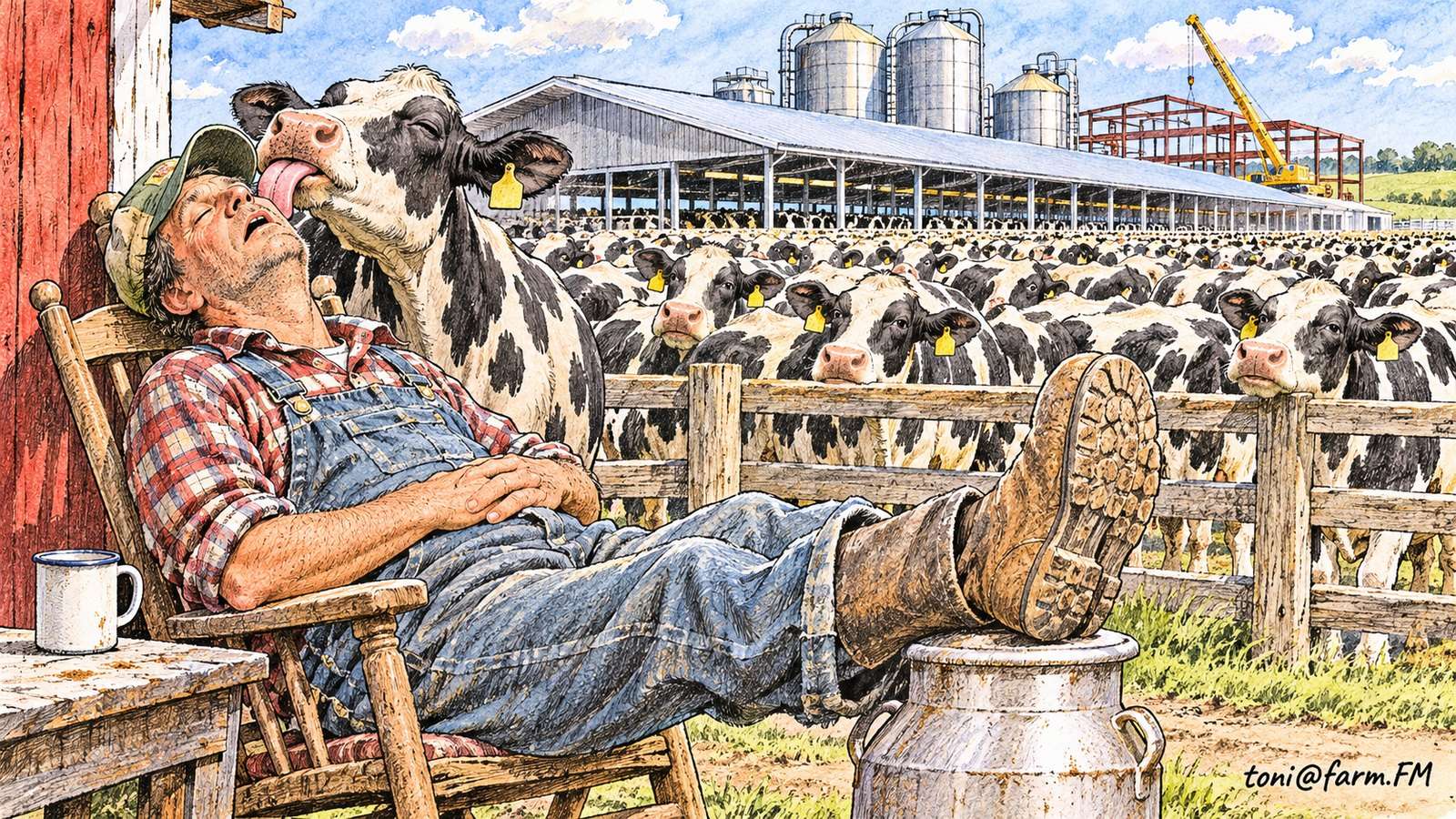
What does expansion really cost beyond the barn?
Adding cows means adding feed, labor, manure handling, water, milk cooling and often land. A new barn may be the visible part, but working capital is the part that surprises people. Cows take time to come into production, and the milk check trails the feed bill. Plan for that gap in cash.
This site is independent education, not a lender. Lenders will want a full budget, so start by listing every cost, then add a cushion for things that run over.
A hypothetical example may help: a dairy owner who wants to add a portion to the herd may find that the milk house, the cooling tank and the lagoon all have to grow too. Each piece has a cost and a permit. Listing them in order shows where the real bottleneck is, and it is often not the barn.
How do Piney Woods conditions affect the plan?
East Texas has higher rainfall than much of the state, acidic soils and heavy pine and hardwood cover. That affects pasture, hay quality, mud, heat stress and cost of clearing land. Ask the Texas A&M AgriLife Extension about forage options that suit your soil, and the Natural Resources Conservation Service about drainage and conservation.
A lender will ask whether you can grow or buy enough feed, and what happens in a wet or dry year. Check forecasts at the National Weather Service and drought information at the U.S. Drought Monitor to plan for variability.
Heat and humidity matter for cows as much as forage. Shade, fans, ventilation and drainage around lots all add cost, and a lender may ask how you will protect milk production through a hot, wet summer. Pricing those items honestly now is cheaper than retrofitting them after the cows arrive.
How do lenders evaluate an expansion?
They look at past performance, because an expansion built on a shaky base is risky. Show several years of milk production, costs and loan payments. Then show how the expansion changes each line. Lenders want to see that the existing herd can carry debt service if the new cows underperform.
Compare sources: local banks, credit unions, Farm Credit associations and FSA loan programs. Ask each about term, fees, collateral and how they handle milk-price downturns.
Ask the lender about draw schedules, which control when construction funds are released. A schedule that does not match your builder's invoices can create awkward cash gaps.
- Several years of herd and financial records
- Detailed construction and equipment budget
- Feed plan and manure management plan
What permits and environmental rules apply?
Dairies must follow state and federal environmental rules for waste and water. Contact TCEQ early about permits, which can take time and affect your schedule. Confirm requirements before you commit money to construction.
Also check local rules, utility service and road access for milk trucks. Water supply is a large question, so see the state water board's planning resources. A lender will not fund a plan that cannot get permitted.
Keep a file of every permit, inspection and approval. Lenders often ask for copies, and so do insurers and buyers later.
How should you stress test it?
Run the plan at lower milk prices, higher feed costs and slower herd growth. Use USDA Dairy Market News for market context, and consider how Dairy Margin Coverage might fit into your risk planning. Ask your lender how they view risk coverage.
If the plan fails the stress test, adjust size, phase the expansion or delay it. A staged expansion is often easier to finance and less stressful. The farm money guide helps with budgets, and the dairy herd care guide covers herd routines.
Where can you get help and perspective?
Talk to dairy neighbors who have expanded, your milk buyer, your veterinarian and an accountant. Dairy MAX serves dairy farmers across the region. For stories and economics, visit farm.FM agribusiness or the dairy page, and see a farm.FM story on dairy expansion.
Programs and terms change, so verify at official sources and talk to a licensed professional before you commit.
A final tip: ask your lender and your builder to meet before construction starts. When everyone hears the same schedule and draw rules, small misunderstandings are caught while they are still cheap to fix.
Sources and further reading
- Texas A&M AgriLife Extension: Texas extension service
- USDA NRCS: conservation programs and technical help
- TCEQ: Texas environmental regulator
- Texas Water Development Board: water planning and funding
- FSA Farm Loans: FSA direct, guaranteed, microloan and emergency loan information
- USDA Dairy Market News: weekly dairy price reports
Ask locally: Your extension agent, milk buyer and an ag lender can check forage, permits and cash flow.
General education only, not financial, legal or tax advice, and Texas Dairy Loan Guide is not a lender. Rates, terms and deadlines change, so confirm current details with the lender or agency.