Equipment, Barns and Expansion
Financing a Dairy Expansion in the Texas Panhandle
Growing a herd in the Texas Panhandle means thinking about water, feed, permits and cash flow all at once. A lender will want answers on each, so it helps to line them up before the first meeting.
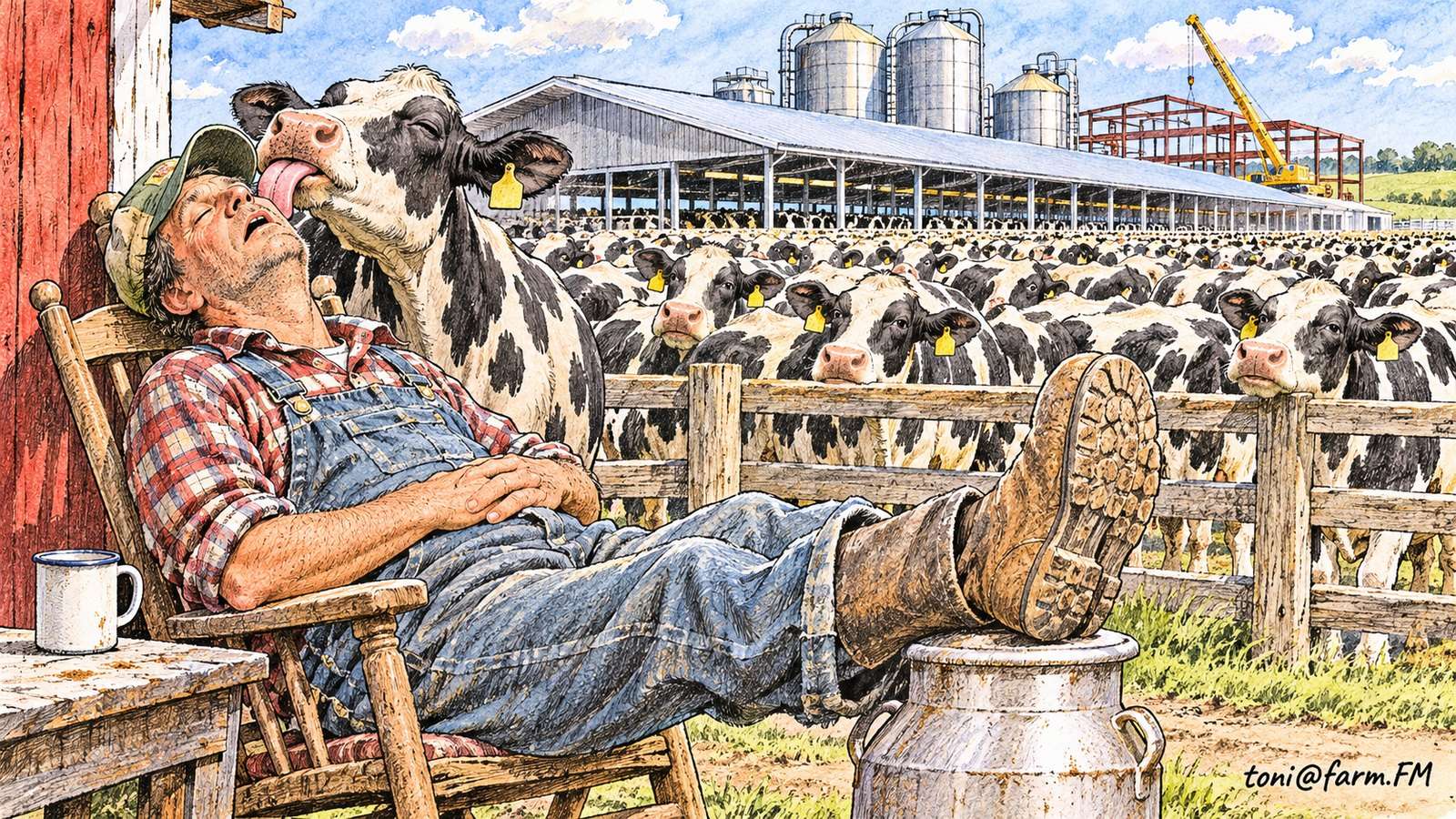
Why Panhandle expansions get a close look
The Panhandle has drawn dairy growth because of land, feed supply and a dry climate that helps with certain cow health issues. Lenders know the region and also know its limits. They will ask how your expansion fits with water availability, feed contracts and milk marketing.
An expansion is not just more of the same. More cows mean more feed, more manure, more labor and more working capital, so the loan has to cover the full chain.
Talk to neighbors who have grown recently, and ask what they would do differently.
Water first
Much of the High Plains depends on the Ogallala Aquifer, and water planning is a serious question. The Texas Water Development Board publishes regional water planning information, and local groundwater districts set rules that can affect your plans. Check these before you commit capital.
A lender who sees a documented water supply and conservation plan feels much better about a large project than one who hears that it will be handled later.
If you rely on irrigated feed crops, ask how your water use fits with the district's rules, since a lender will want to see that the feed plan can survive a dry year without breaking regulations.
Feed and cash flow
Feed is the largest cost on most dairies, so a lender will ask how you will buy or grow it. Do you have contracts, storage and a plan for a drought year? The Drought.gov site and the weekly U.S. Drought Monitor are useful for understanding conditions.
Build monthly cash flow projections that include the ramp-up period, when new cows cost money before they produce. Many expansions run into trouble in the first year, not because the plan was bad but because the working capital was too thin.
- Feed contracts or crop plans with storage.
- A ramp-up budget for the months before new cows pay.
- A reserve for a bad milk price stretch.
- Realistic projections of death loss and culling.
Permits and environmental rules
Larger herds usually trigger environmental permitting, and in Texas that runs through TCEQ. Ask what applies to your herd size and facility, and how long approvals typically take. A loan closing can be delayed if permits are not in place.
Your Texas Department of Agriculture contacts and AgriLife Extension staff can help you find the right office.
Choosing lenders and structuring the loan
A big project may be split between lenders. A Farm Credit association might provide the long-term real estate loan while a bank or credit union handles operating credit. FSA may help in specific situations. Ask each lender how they would coordinate and who holds first lien on what.
The Texas Department of Banking can verify state-chartered lenders. Lenders will also ask about your experience, so partner with experienced managers if this is your first expansion.
Ask each lender how they handle a draw schedule during construction, since payments to contractors do not always line up with bank inspections.
Working capital and the first year
Banks that have watched dairy expansions know the pattern: construction goes over, cows arrive, and the first months bring bills with little new revenue. Ask for a working capital line sized for that stretch, and keep it separate from the construction loan so that a delay in one does not choke the other.
Also plan for people. More cows need more hands, and housing, training and payroll costs rise before output does. Lenders appreciate a plan that names who will do the work.
A sanity check before you borrow
Ask yourself what happens if milk prices fall for a year and feed costs rise. If the answer is that you lose the farm, the plan needs more cushion or a smaller first phase. Many successful dairies expand in steps.
This site is an education resource and not a lender; this is not financial, legal or tax advice. Talk to a licensed professional. The dairy stories at farm.FM and the agribusiness section cover the business, and there is a farm.FM story about Panhandle dairy growth. See the dairy herd guide for herd management and the farm money guide for budgeting.
Sources and further reading
- Texas Water Development Board: water planning and funding
- TCEQ: Texas environmental regulator
- Drought.gov: national drought information
- U.S. Drought Monitor: weekly drought maps
- Farm Credit: cooperative agricultural lending network
- Texas Department of Banking: state bank regulator
Ask locally: Meet with your groundwater district and a Texas AgriLife Extension agent before you finalize an expansion budget.
General education only, not financial, legal or tax advice, and Texas Dairy Loan Guide is not a lender. Rates, terms and deadlines change, so confirm current details with the lender or agency.