Equipment, Barns and Expansion
Financing a Dairy Expansion in the Texas Blackland Prairie
The Blackland Prairie runs through some of the most productive farmland in Texas, but it also sits next to growing cities and rising land prices. A dairy expansion there needs to account for both.
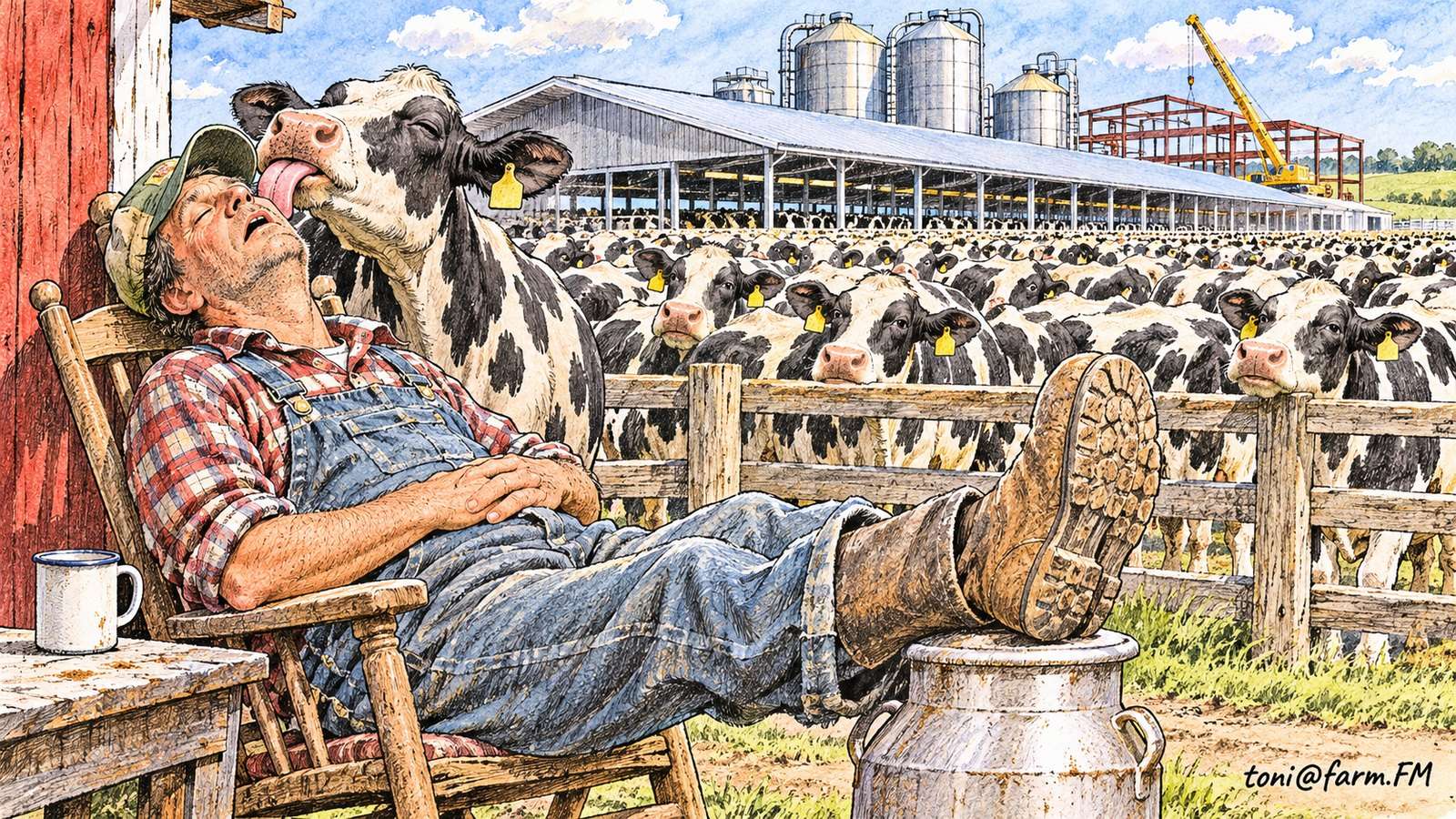
What is special about the Blackland Prairie?
The region is known for dark, fertile clay soil that grows crops and forage well, and it has a long history of farming and dairying. It also sits close to major metropolitan areas, which brings both markets and pressure on land.
That mix matters for financing. Land may be valued for development more than farming, which can affect appraisals and what a lender will lend. Make sure your numbers are based on farm income.
If you are weighing a move to the area, spend time with local producers and ask about water, feed and land. Understanding how nearby operations succeed or struggle gives you a better feel for the numbers than any brochure.
What kinds of expansion are you planning?
Adding cows, upgrading a parlor, building a barn, storing more feed and improving manure handling each have different costs. Pin down which pieces you need and in what order.
Match the loan to the asset. Buildings fit a long term loan, equipment a shorter one and feed a line of credit. Mixing them can cause cash flow strain. The dairy herd guide and farm equipment guide help with those choices.
Cities close by bring a dual effect: land values may be high, which helps if you own and hurts if you buy. Lenders know this, and a lender that understands local farmland will ask whether the loan is secured by dirt that only works as farmland, or by dirt a developer would buy.
- Herd growth and replacement heifers
- Barn, parlor and feed storage
- Manure handling and environmental compliance
- Equipment and labor
How does heavy clay soil affect the project?
Clay soil can be hard to build on and wet in rainy spells. Drainage, pad construction and lagoon design all need attention, and an engineer can tell you what to expect.
Soil also influences feed production. Talk to your AgriLife Extension agent and the NRCS about soil and water issues, and ask the TCEQ about environmental rules that affect dairies.
Heavy rains can turn clay into a mess and delay construction. Build weather delays into the schedule and the budget, and ask your contractor how they handle them. Draw schedules from the lender should allow for that kind of delay.
How will lenders evaluate the plan?
They will look at your current cash flow, existing debt, quality of management and the realism of your projections. Expect questions about milk markets, feed costs and labor.
Compare a Farm Credit association, local banks and FSA guaranteed loans. Ask about construction financing, draw schedules and when permanent loan terms begin. Get written terms and compare total costs, and check USDA Dairy Market News for price trends.
Ask lenders how they handle construction risk, such as cost overruns and delays, and whether they require a contingency line. A reserve inside the loan is better than scrambling for extra money halfway through the build.
How can you manage risk while growing?
Phase the project and test each step before the next. Keep a reserve, review insurance and consider Dairy Margin Coverage and other risk tools. Stress test the plan with low milk prices and high feed costs.
Also think about neighbors. Growing suburbs mean more people near dairies, and odor, traffic and noise can lead to complaints. Good relationships and good management help you stay a welcome part of the community.
Remember the cash cushion. Expansion often runs over budget, so a reserve of working capital can keep the project and the dairy on track. It also gives lenders more confidence.
Where can you get help?
Build a team that includes an accountant, attorney, engineer, veterinarian and nutritionist. The Texas Department of Agriculture and AgriLife Extension can point to resources.
Over at farm.FM, the dairy section and news page cover dairy topics with some humor, including a farm.FM story about dairy growth in Texas. This site is education only and does not make or arrange loans.
Finally, remember to check how nearby growth affects your water rights, your road access and your neighbors' tolerance for dairy smells. Talking to local officials early can save you from a permit surprise later.
Sources and further reading
- Texas A&M AgriLife Extension: Texas extension service
- USDA NRCS: conservation programs and technical help
- TCEQ: Texas environmental regulator
- Farm Credit: cooperative agricultural lending network
- FSA Farm Loans: FSA direct, guaranteed, microloan and emergency loan information
- USDA Dairy Market News: weekly dairy price reports
Ask locally: An engineer, an accountant and your AgriLife Extension agent should look at drainage, soils and cash flow before you borrow.
General education only, not financial, legal or tax advice, and Texas Dairy Loan Guide is not a lender. Rates, terms and deadlines change, so confirm current details with the lender or agency.