SBA’s International Trade Loan Program: A New Resource for Texas Dairy
Selling dairy products overseas takes working capital long before the first invoice is paid, and the SBA's international trade loan is one tool people mention. Here is how it works in general and how to check the facts.
What is an SBA international trade loan?
The headline describes the SBA's International Trade Loan Program as a new resource for Texas dairy. Treat that as the headline claim and read the SBA's own pages for the current rules. In broad terms, SBA does not usually lend directly; it guarantees part of a loan made by a participating lender.
Trade-related loans are generally meant for businesses that export or are preparing to, for things like equipment, working capital, or expanding facilities to serve foreign buyers. Eligibility, amounts and fees are set by SBA and lenders.
It helps to remember that a guaranteed loan is still a loan with a payment. The guarantee gives the lender comfort, but late payments and covenant breaches still have consequences for you.
Who is this really for in Texas dairy?
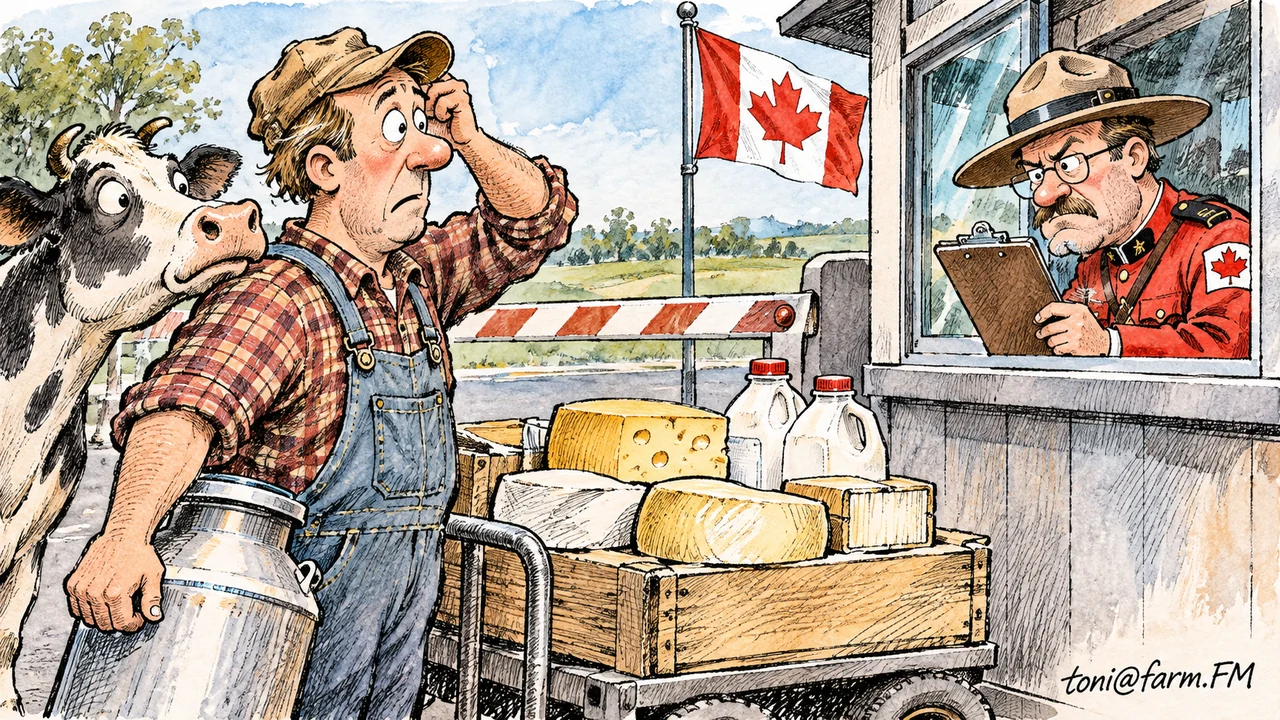
Most dairy farms sell milk to a cooperative or processor, so they are not exporters themselves. The better fit is a processor, cheese maker, or ingredient business with real foreign customers or a clear plan to find them. A Texas creamery sending products across the border would be the kind of example a lender could understand.
If you are a producer, the more practical question is whether your buyer is exporting and how that affects your milk price.
Consider a hypothetical Texas cheese maker who has two regional customers and one prospective buyer in another country. The lender will likely weigh the stable regional sales heavily and treat the foreign deal as upside rather than proof of repayment.
What an export plan needs to show
Lenders want evidence, not enthusiasm. A buyer list, letters of intent, shipping and cold chain logistics, regulatory approvals for the destination country, and a realistic timeline for payment all matter. USDA's Foreign Agricultural Service and the International Trade Administration publish market information and export help.
Understand the rules at the border, too. Customs and Border Protection and the International Trade Commission are useful places to learn about tariffs and documentation.
Keep each document organized by country and by buyer. Export files grow quickly, and a lender reviewing your records will be reassured by a tidy trail that shows who ordered what and when it was paid.
- Named buyers or a credible pipeline.
- A cost breakdown including shipping, insurance and certifications.
- Cash flow showing how long money is tied up before payment.
- A plan for currency or payment-term risk.
How export risk differs from local sales
Selling abroad adds delays, rule changes and sometimes trade disputes. A product that sells well locally can get stuck over paperwork or tariffs. The U.S. Dairy Export Council publishes market information that helps you gauge demand.
Lenders will ask what happens if a shipment is rejected or a buyer pays late. Have an answer ready, and maybe a conservative scenario that works with lower export volume.
If trade rules change, your plan should survive. Run the numbers as though exports were slow for a year and see whether the business still makes its payment.
Finding a lender and local help
Not every bank handles trade lending. Ask whether the lender participates in SBA programs and has closed trade loans before. The Texas Department of Banking can help you check a state-chartered lender, and the Texas Department of Agriculture has programs that connect Texas food producers with markets.
An SBA-affiliated counselor or a AgriLife Extension business specialist can review your plan for free or low cost in many cases. Ask a licensed accountant or attorney about structure.
Before you commit
This site is education, not a lender, and nothing here is financial, legal or tax advice. Verify current terms directly, and keep a conventional financing option in your back pocket.
For related reading, the farm.FM economics section covers markets, and the dairy stories cover daily life, plus a farm.FM story on dairy exports. The farm money guide and the dairy herd guide give background, and this rural business guide covers small enterprise planning.
If none of this fits yet, that is a fine answer. Building domestic sales first and then adding export customers is a common, lower-risk path.
Sources and further reading
- SBA: small business loans and counseling
- USDA Foreign Agricultural Service: export markets and trade data
- International Trade Administration: export help for U.S. businesses
- U.S. Dairy Export Council: dairy exports
- Texas Department of Banking: state bank regulator
- Texas Department of Agriculture: state agriculture agency
Ask locally: Ask an SBA resource partner or a Texas AgriLife Extension business specialist to review your export plan before you meet a lender.
General education only, not financial, legal or tax advice, and Texas Dairy Loan Guide is not a lender. Rates, terms and deadlines change, so confirm current details with the lender or agency.