Financing a Dairy Purchase in East Texas
Buying a working dairy in East Texas can be quicker than building one from scratch, but you inherit its history along with its cows. Lenders will look hard at both.
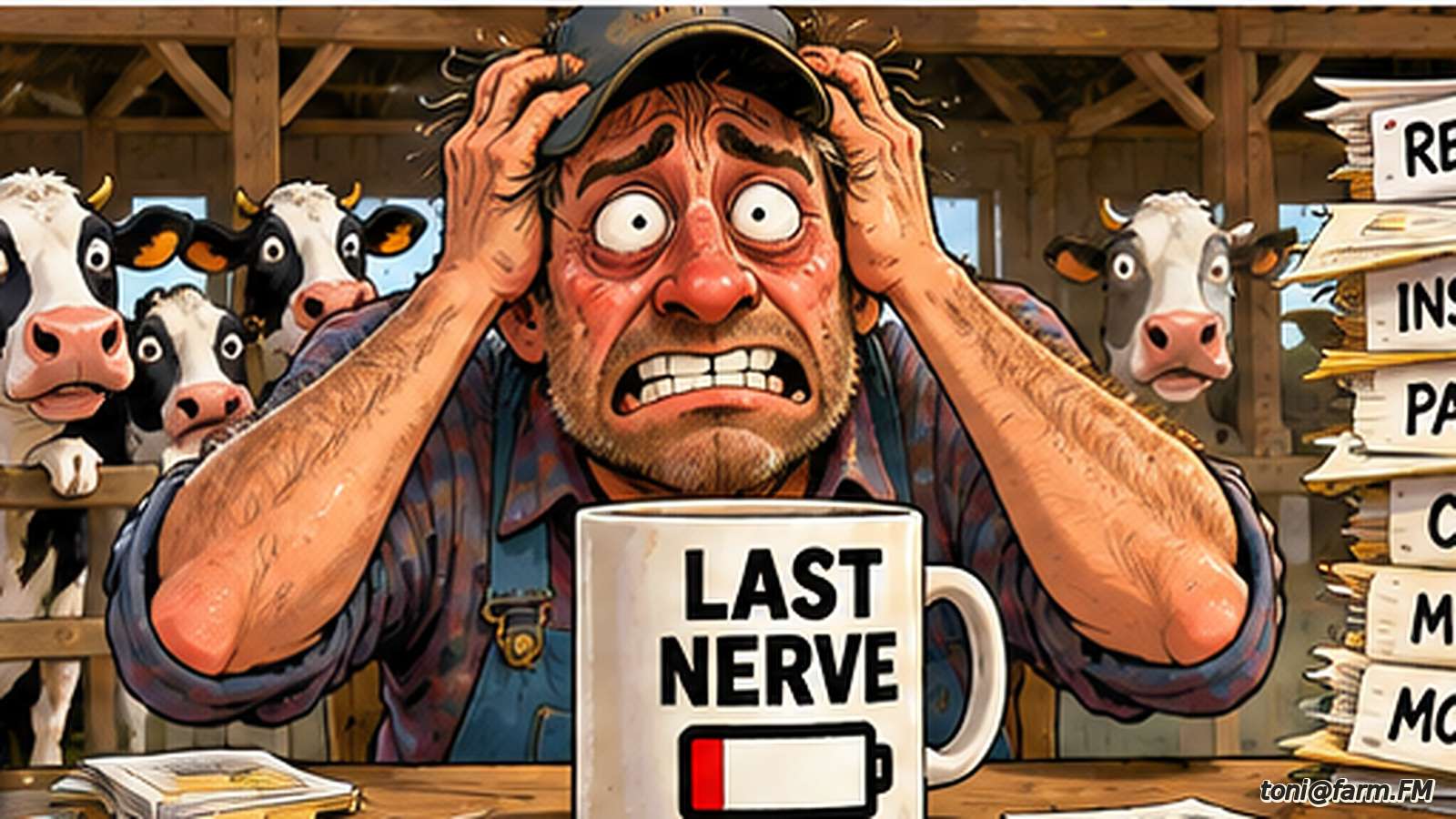
Buying an operation versus starting one
An existing dairy comes with cows, equipment, buildings, a milk contract and a track record, and that can reduce startup risk. It can also come with deferred maintenance, aging cows and debts. East Texas has a different feel from the Panhandle: more rain, more pasture, smaller herds and different feed and manure issues. Spend a day on the farm at milking time if the seller allows it. You learn more about the workflow and the people than a spreadsheet shows.
Before you fall in love with a place, get the numbers. A lender will.
Due diligence that protects you
Ask for several years of financial records, milk checks, feed bills, herd health history and equipment lists. Have the property inspected, and have a vet look at the herd. Check permits and compliance with TCEQ and the Texas Animal Health Commission requirements.
Verify water, power, and access to milk haulers. A dairy that is hard to reach can be hard to sell milk from.
- Three or more years of financials and milk checks.
- Herd health and breeding records.
- Equipment condition and age.
- Permits, compliance history and water rights.
How the purchase might be financed
Common approaches include a real estate loan for land and buildings, a separate loan for livestock and equipment, and an operating line. Farm Credit associations, community banks and credit unions all do this kind of lending, and FSA may help some buyers. Seller financing is sometimes used, so ask what is possible.
Compare each source on total cost, collateral and flexibility, and ask lenders how they value the herd and the land. Ask whether the seller would carry a small note, since that can also show confidence in the business he or she is handing over.
What is a fair price?
Price should reflect what the business earns, not just what the assets would bring separately. A good appraiser and an experienced advisor can help you judge. Check land value information and trends through the Census of Agriculture and Kansas City Fed ag credit data, which give you context without promising what your farm is worth.
Be wary of any seller who pushes you to rush. A good deal survives a few weeks of checking.
Keeping the milk market in view
The farm's value depends on who buys the milk and at what price. Confirm the buyer relationship will transfer, and read the contract. Dairy Market News and Dairy MAX can help you understand regional pricing. In East Texas, hauling distance can shape your milk price, so ask what hauling costs.
Test your plan at lower milk prices and higher feed costs. A buyer who lines up a hauler and a buyer in writing before closing avoids a very unpleasant surprise.
A hypothetical example of the numbers
Suppose, purely as an example, a buyer finds a small East Texas dairy whose milk checks look healthy but whose cows average a high age and whose milking equipment dates back decades. The sale price might look fair until the buyer adds replacement heifers, a parlor overhaul and a barn roof. Those items change the real cost of ownership, and a careful lender will insist they are in the plan.
Working through a rough version of that math before you make an offer saves both money and heartache. Keep the numbers simple and keep them honest.
Closing the deal carefully
Hire a Texas attorney experienced in agricultural real estate and a licensed accountant to review the deal, including tax consequences. This site is an education resource, not a lender, and nothing here is financial, legal or tax advice. You can verify a state-chartered bank through the Texas Department of Banking.
At farm.FM there is a lot of reading on the dairy trade, including the dairy section and farm satire for when the paperwork gets heavy, plus a farm.FM story on buying a dairy. The dairy herd guide helps you judge the cows, and the farm money guide helps with the budget.
Sources and further reading
- Farm Credit: cooperative agricultural lending network
- FSA Farm Loans: FSA direct, guaranteed, microloan and emergency loan information
- TCEQ: Texas environmental regulator
- Texas Animal Health Commission: animal disease rules
- Kansas City Fed Agriculture: farm credit and land value surveys
- Texas Department of Banking: state bank regulator
Ask locally: Have a large-animal vet and a Texas ag attorney review the dairy before you sign, and ask an AgriLife Extension agent about local milk markets.
General education only, not financial, legal or tax advice, and Texas Dairy Loan Guide is not a lender. Rates, terms and deadlines change, so confirm current details with the lender or agency.