The Texas Dairy Farmer’s Guide to the Loan Closing Process
Closing day is when a loan approval becomes a legal obligation. A dairy owner who understands the steps can read the documents, ask questions and avoid the costly surprises.
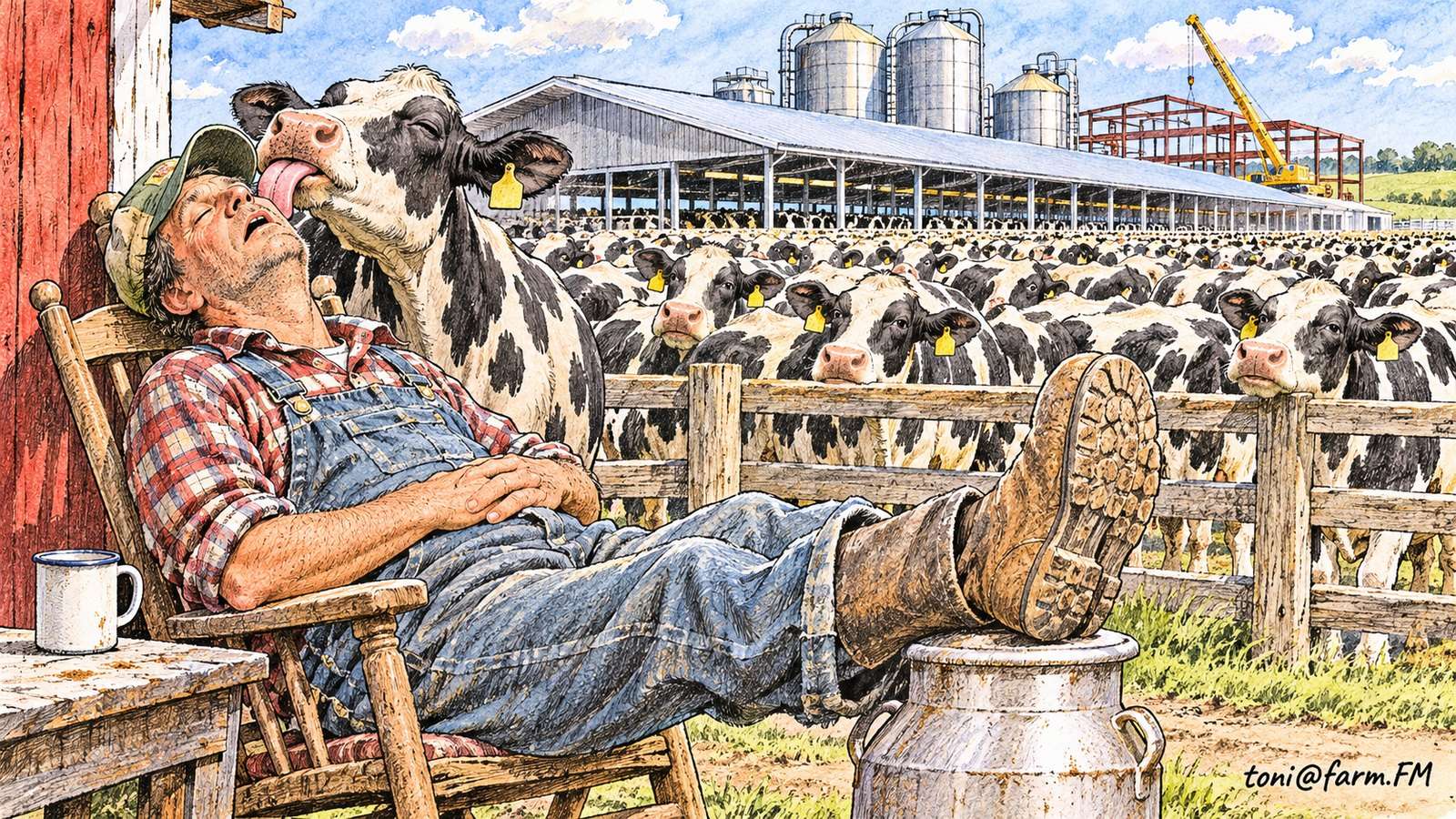
What is a loan closing?
Closing is the point where you sign the loan documents, the lender funds the loan and liens are recorded. For a farm loan, it may involve a note, a security agreement, a deed of trust or mortgage, insurance requirements and disclosures about costs. Details vary by lender and loan type, so ask for a closing outline early.
This site is independent education, not a lender, and nothing here is legal advice. Have an attorney or other licensed professional review any documents before you sign.
A helpful way to prepare is to request sample documents ahead of time. Many lenders will share forms or at least a summary of terms. Read them once for the big picture and once with a highlighter for anything unclear. Then write your questions in the margin.
What happens between approval and closing?
After approval, the lender may order title work, a survey, an appraisal, insurance verification and environmental review. These take time, and each can reveal problems such as a lien you forgot about or a boundary question. Respond quickly to requests and keep copies of everything.
If your loan involves a federal program, read the agency instructions at the FSA farm loans page and confirm what the agency requires. For commercial loans, the lender's loan officer is your guide.
Which costs show up at closing?
Ask for a written estimate of all costs: origination or loan fees, title and recording, appraisal, survey, attorney fees, insurance, taxes and any prepaid items. Do not rely on a verbal total. The CFPB explains how to read loan cost disclosures, and the same habits help on a farm loan.
Compare estimates between lenders, since fees can vary. A low rate can hide high closing costs. The farm money guide shows how to compare the total cost over the life of a loan.
- Origination or program fees
- Title, recording and attorney costs
- Insurance and escrow requirements
What should you read carefully?
Read the interest rate and whether it is fixed or adjustable, the payment schedule, the maturity, prepayment terms, late fees, default terms and any covenants. A covenant is a promise to do or not do something, like keeping insurance or reporting financials. Breaking one can trigger default even when payments are current.
Look at collateral: which land, equipment, livestock or milk checks are pledged. Make sure the description is accurate. In Texas, the Texas Department of Banking supervises state-chartered banks and can answer general questions about the process.
Do not ignore the small print on default and cross-default clauses. Some agreements allow a lender to call one loan if you miss payments on another. A good attorney will point these out and may negotiate changes.
Who should be at the table?
Bring your spouse or business partner if they sign, your attorney if you have one and your accountant if you can. Ask the lender to send documents ahead so you can read them at home rather than in the room. A few days of review is normal and reasonable.
If something does not match what you were promised, stop and ask. It is better to delay closing than to sign a document you do not understand. Texas Department of Agriculture resources and your AgriLife Extension office can point you to educational material.
What do you do after closing?
Set up payment reminders, calendar reporting dates and file your documents in a safe place. Keep proof of insurance current and tell your lender if your operation changes. A good relationship with the loan officer makes future conversations easier.
If you need a laugh after the pen stops moving, farm.FM has farm satire about nearly everything, and its dairy section fits right in. You can also read a farm.FM story about loan closings. For herd operations, see the dairy herd care guide, and check the Farm Credit site if you are exploring cooperative lenders.
One more tip is to keep a closing binder with the signed documents, the final cost statement and a one-page summary of key terms. When the loan renews or you refinance, that binder saves hours.
Sources and further reading
- FSA Farm Loans: FSA direct, guaranteed, microloan and emergency loan information
- CFPB: consumer finance protection
- Texas Department of Banking: state bank regulator
- Texas Department of Agriculture: state agriculture agency
- Texas A&M AgriLife Extension: Texas extension service
- Farm Credit: cooperative agricultural lending network
Ask locally: A Texas attorney who handles ag real estate and your lender's closing officer can explain each document.
General education only, not financial, legal or tax advice, and Texas Dairy Loan Guide is not a lender. Rates, terms and deadlines change, so confirm current details with the lender or agency.