The Rancher’s Guide to Refinancing an FSA Loan in Texas
Refinancing an FSA loan sounds simple, but FSA loans have their own rules, and moving the debt can change protections you currently have. Slow down, read the terms and do the math.
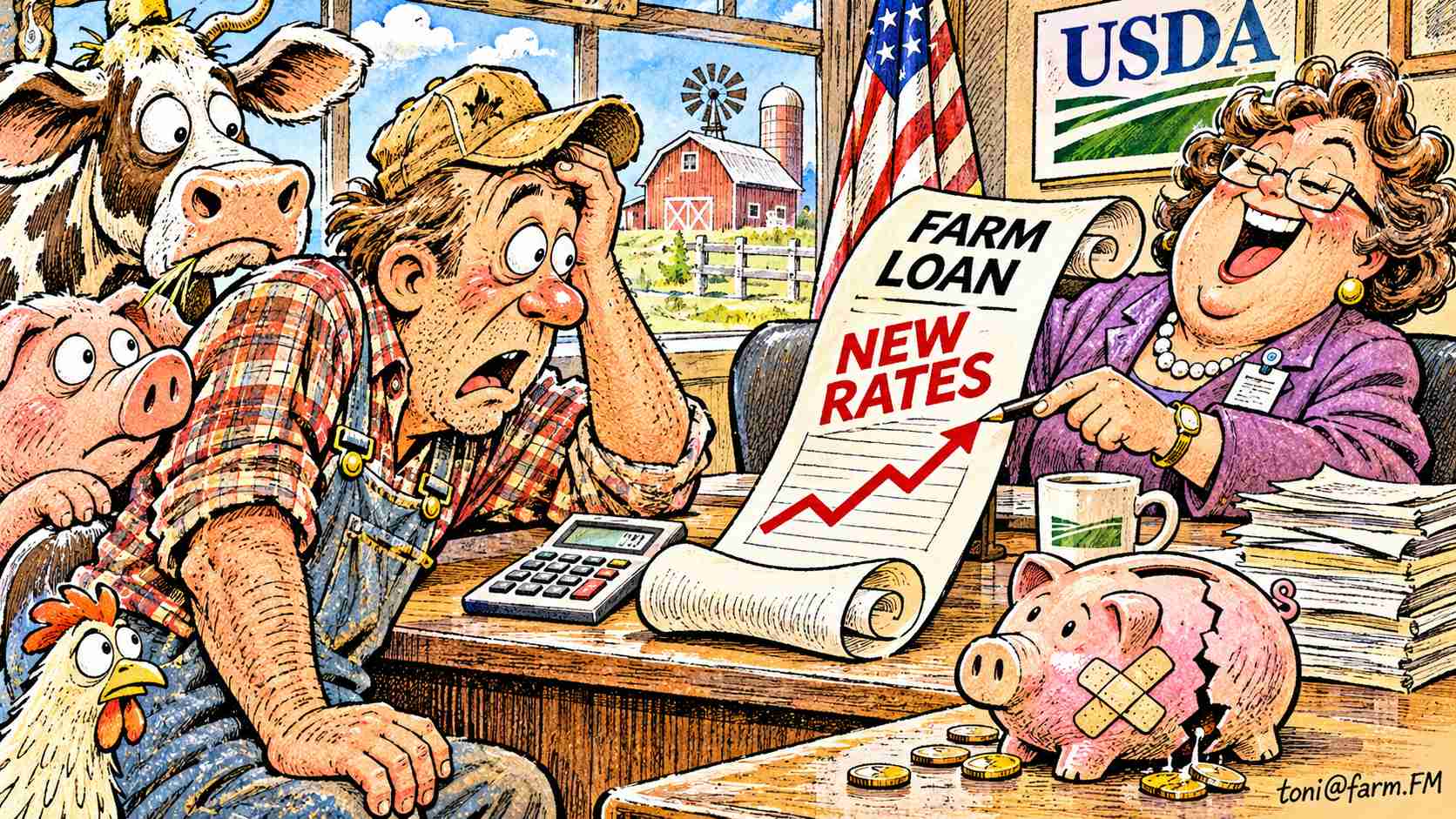
Why people consider refinancing
Borrowers refinance to lower payments, change the term, consolidate several debts or move to a lender with better service. With FSA loans specifically, a family may be ready to graduate to commercial credit after a few good years, and that is an intended path for many borrowers. Read the current guidance on FSA farm loans and ask your county office about options. It is also worth asking your FSA loan officer whether you are close to meeting the requirement to move to commercial credit, which can change how you plan.
The reason matters. Refinancing to cut a payment by stretching the term may cost more in total interest.
What to check in your existing loan
Pull the promissory note, security agreement and any servicing letters. Look for the interest rate, remaining balance, collateral, prepayment terms and any rules that apply if you pay off early. Ask your FSA loan officer to explain anything you do not understand.
FSA programs can include features that commercial loans lack, such as certain servicing options when a borrower has trouble. Weigh those before giving them up.
- Current rate, balance and remaining term.
- Collateral and any liens.
- Prepayment terms and fees.
- Servicing options you would lose.
Comparing the new offer fairly
Ask the new lender for a full written estimate: rate, fees, closing costs, term, collateral and covenants. Add the closing costs to the total, then compare the total cost over the time you expect to keep the loan. A lower rate does not help if fees eat up the savings.
Check whether the rate is fixed or variable. Keep an eye on broader rate trends through the Federal Reserve and FRED, without trying to predict where they go. If you are refinancing as part of a bigger restructuring, ask each lender to review the whole picture, not just one note.
Lenders to consider in Texas
Community banks, credit unions and Farm Credit associations may all refinance agricultural debt. Ask whether they will take on a borrower who currently has FSA financing and what they would want to see in the past two or three years of records.
The Texas Department of Banking and FDIC can help confirm a lender's standing, and the CFPB has general information on borrowing.
Cash flow and timing
A refinance is a good moment to review your whole financial picture, including milk or cattle price exposure and feed costs. The Dairy Market News reports help dairy producers see trends, and ERS publishes farm economic data. Ranchers and dairy producers share many cash flow worries, but the income swings differ, so use data that matches your own business.
Try not to refinance at the worst possible time, such as during a stretch of weak cash flow when a lender will tighten terms. If you must, get advice first.
A hypothetical example of the math
Suppose, as an example only, a producer has an FSA loan at one rate and is offered a commercial refinance at a lower rate with closing costs. The savings in interest might look attractive until the closing costs and any lost servicing options are included. If the borrower plans to keep the loan for many years, the savings could outweigh the costs. If the borrower might sell or restructure in a few years, they might not.
Work the numbers for the time you realistically expect to hold the loan. Then ask a second person to check your math, since a missed fee or a wrong term can flip the result.
Get advice and keep records
Talk with a licensed accountant and attorney, since refinancing can have tax and legal consequences. AgriLife Extension can help you review projections. This site is an education resource, not a lender, and nothing here is financial, legal or tax advice.
At farm.FM there is a lot of reading on farm life, with ranching stories and the economics section, plus a farm.FM story on refinancing. For more background see the farm money guide, the dairy herd guide and the ranch cattle guide.
Sources and further reading
- FSA Farm Loans: FSA direct, guaranteed, microloan and emergency loan information
- Federal Reserve: U.S. central bank
- FRED: Federal Reserve economic data
- Texas Department of Banking: state bank regulator
- CFPB: consumer finance protection
- Farm Credit: cooperative agricultural lending network
Ask locally: Ask your county FSA office to explain your loan terms, and have an accountant compare the refinance cost over your real holding period.
General education only, not financial, legal or tax advice, and Texas Dairy Loan Guide is not a lender. Rates, terms and deadlines change, so confirm current details with the lender or agency.