The Texas Dairy Farmer’s Guide to Understanding Interest Rates
Interest is the price of borrowed money, and on a farm loan it can add up to a big share of what you pay over the years. A basic grasp of how rates work makes you a sharper shopper.
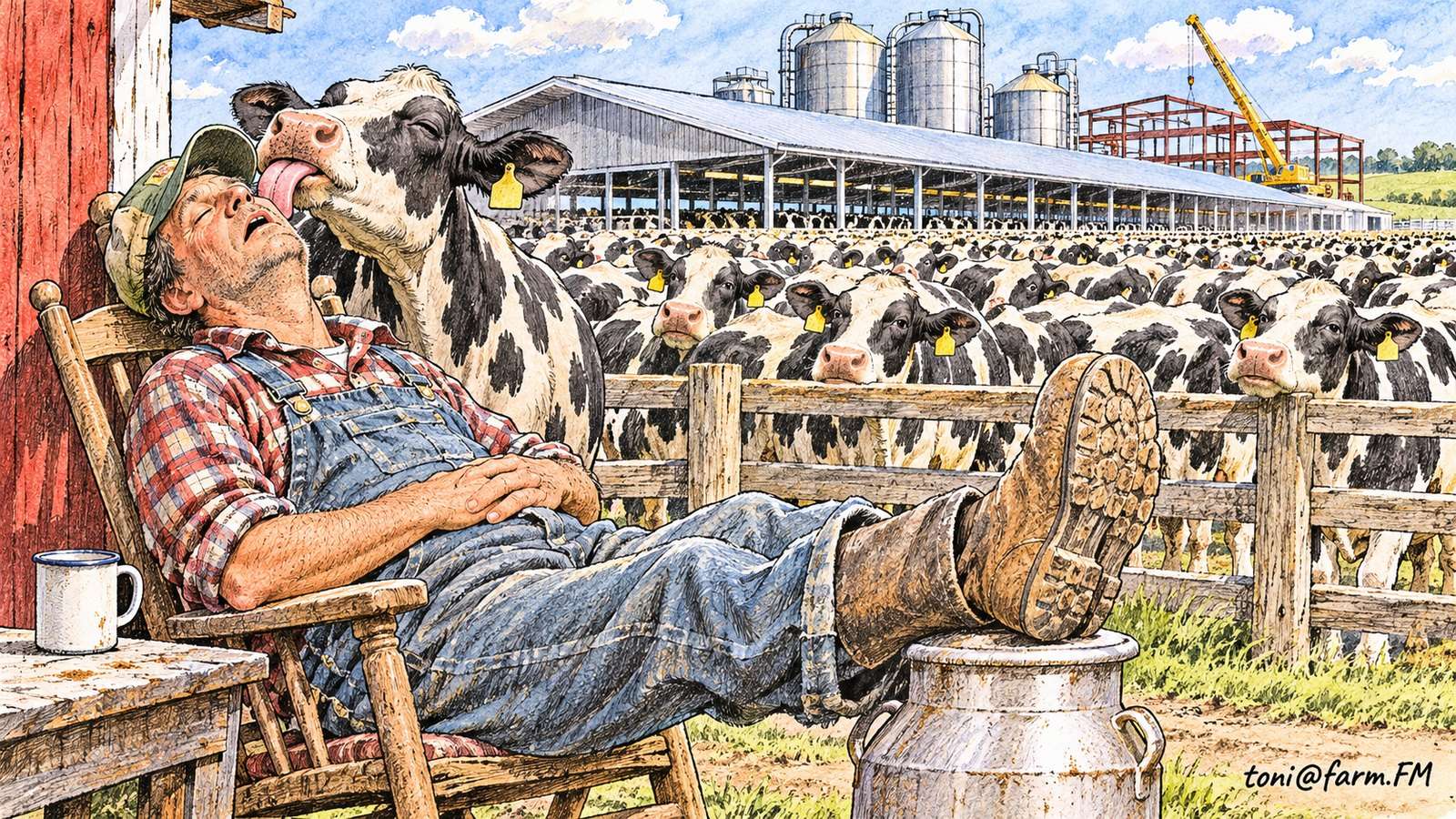
What is an interest rate, really?
An interest rate is the percentage charged for borrowing money, usually expressed per year. On a loan of a given size, a higher rate means higher payments or a longer time to pay off. The annual percentage rate, or APR, includes certain fees and gives a fuller picture.
Always compare the total cost, not just the headline rate. A low rate with high fees may cost more than a slightly higher rate with none. Ask lenders for a written breakdown. The dairy herd basics page is a useful companion for planning, since feed and herd health costs sit behind most dairy loan conversations.
Think of the rate as one piece of a larger puzzle. Term, fees, collateral, flexibility and the lender's willingness to work with you in a bad year all count. A friendly local lender with a slightly higher rate can be worth more than a distant one with a lower rate and no flexibility.
Fixed versus variable: what is the difference?
A fixed rate stays the same for a set period, while a variable rate can change when a benchmark moves. Variable loans may start lower and rise, or fall, over time. Fixed rates give certainty but may start higher.
For a dairy with tight margins, a rate jump can hurt. Ask how often a variable rate adjusts, what index it follows and whether there are caps. Some loans fix the rate for a few years and then reset, so check the details.
A hypothetical example, for illustration only: two loans of the same size might have different payments, and the gap grows with the number of years. That is why asking for an amortization schedule helps. It shows how much of each payment is interest and how much reduces the balance.
- Is the rate fixed, variable or hybrid
- What index and margin apply
- How often the rate can change
- Whether there is a cap or floor
- Prepayment rules
Why do rates move?
Rates reflect many things, including central bank policy, inflation, the lender's cost of funds and your own risk profile. The Federal Reserve sets policy that influences borrowing costs across the economy, and FRED lets you view historical rate data.
Regional conditions matter too. The Dallas Fed and the Kansas City Fed publish information on farm credit conditions. These sources help you understand trends, though no one can predict where rates will go.
What affects the rate you are offered?
Your credit history, financial strength, collateral, loan size, loan term and type of lender all matter. A borrower with strong records and good collateral may get better terms than one with a thin history.
You can improve your position by organizing records, paying down debt and shopping around. Compare offers from Farm Credit, banks, credit unions and the FSA, which has its own loan programs. Programs and rates change often, so check current terms.
Be wary of rate quotes that depend on conditions you may not meet, such as a certain credit score, a down payment or a bundled product. Ask what the rate is for your own situation, and ask for it in writing.
How do rates affect your budget?
A small difference in rate matters more on a big, long loan. Run your numbers at several rates to see how payments change. Include a higher rate case if the loan is variable.
The farm finance guide offers budgeting tips, and the AgriLife Extension office can help with loan calculators. A quick look at CFPB resources also helps you understand loan disclosures.
Since dairy income moves with milk prices, consider matching your payment schedule to your cash flow. Some lenders offer seasonal or flexible schedules, and the USDA Dairy Market News reports show how prices have moved over time.
What questions should you ask a lender?
Ask what the rate is, what it is based on, what fees apply, how long the rate is fixed and what happens if you pay early. Ask what could cause the rate to change and how you would be notified.
Check whether a lender is regulated by the Texas Department of Banking or another agency. Talk to a licensed professional about your situation. At farm.FM, the economics section and satire page offer a lighter view of farm money, with pieces like a farm.FM story on interest rates. This site is education only and does not make or arrange loans.
Sources and further reading
- Federal Reserve: U.S. central bank
- FRED: Federal Reserve economic data
- Dallas Fed: regional economy including Texas and Oklahoma
- Kansas City Fed Agriculture: farm credit and land value surveys
- CFPB: consumer finance protection
- Texas Department of Banking: state bank regulator
Ask locally: Your lender, an accountant and an AgriLife Extension agent can run payment scenarios with you at several rates.
General education only, not financial, legal or tax advice, and Texas Dairy Loan Guide is not a lender. Rates, terms and deadlines change, so confirm current details with the lender or agency.