The Texas Dairy Farmer’s Guide to the FSA’s Microloan Program
Not every farm needs a big loan. Smaller credit needs, like a used milking unit, feed or seed, can be harder to get from a bank. The FSA Microloan program is aimed at that kind of need.
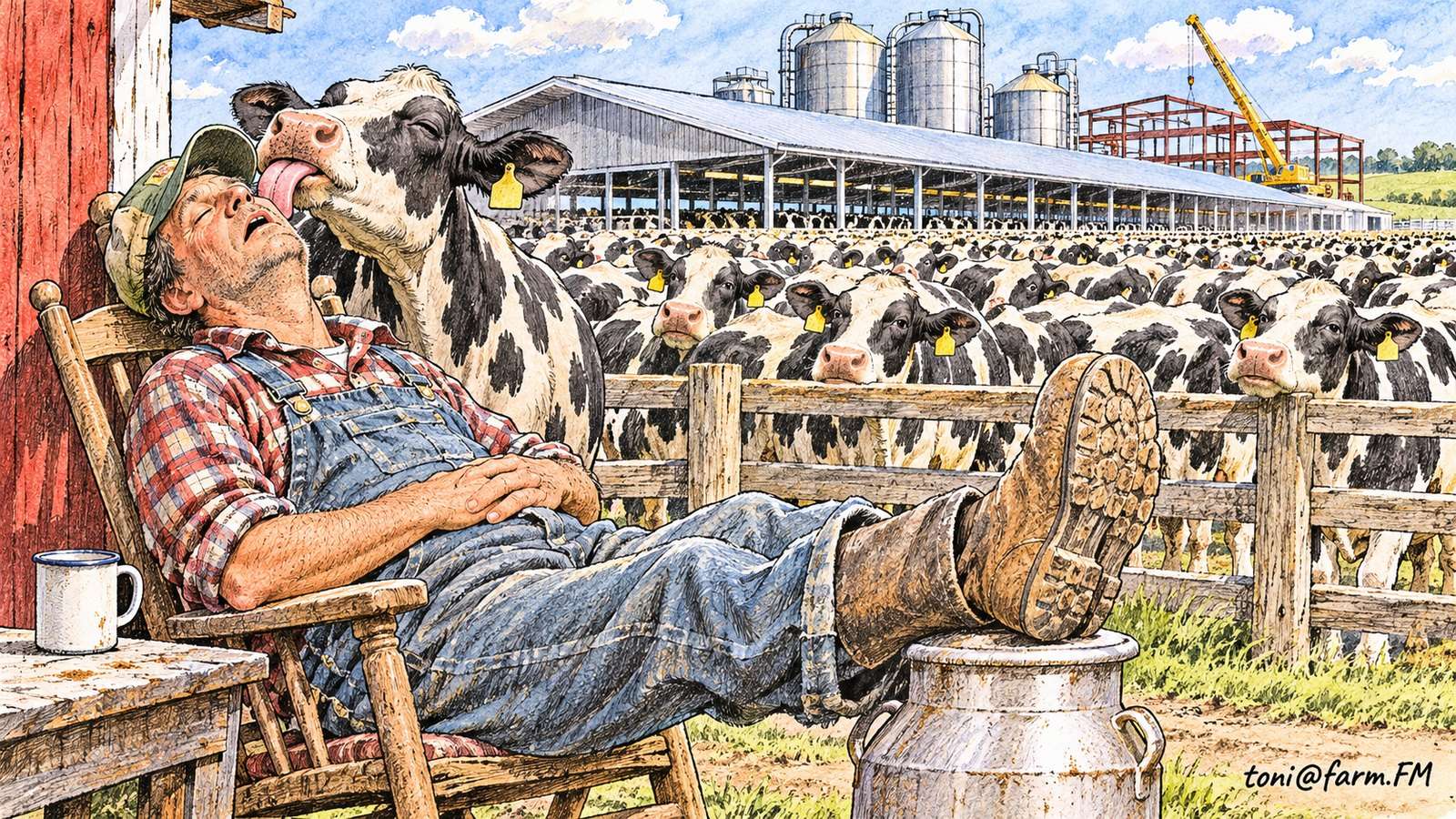
What is the FSA Microloan program?
Microloans are a type of FSA farm loan designed for smaller amounts and simpler paperwork, often with newer, smaller or niche producers in mind. The program covers certain operating and ownership costs.
Loan limits, uses, rates and eligibility are set by the agency and can change, so use this page as an introduction and confirm details at Farmers.gov or your county office. This site is an independent guide, not a lender.
The idea behind small loans is access. Large institutions can find tiny loans costly to make, so government programs try to fill the gap. Whether this one fits you depends on your credit history, your farm experience and the purpose of the money.
Who might it suit on a dairy?
Think of a small start-up dairy, a family adding a few cows, a producer making cheese on a small scale or a young farmer buying equipment. Larger dairies typically need bigger loans, but a microloan could cover a specific need.
Ask whether a microloan could be used for the purpose you have in mind, and whether it affects your eligibility for other FSA programs. Different loan types have different rules.
A small dairy might also use the money to buy replacement heifers, fix a milking unit or pay for feed during a slow spell. Each of those is a different need, so decide which one is your priority before you meet the loan officer.
What can the money be used for?
Operating items such as feed, seed, tools, utilities and some equipment often fit the purpose of a smaller loan. Ask the county office what is allowed for your case and what is not.
Do a quick list of your small needs and the cost of each. If the total is modest, a microloan may fit. If it is large, you may need a bigger loan or a combination of sources. The farm money resources show how to organize the numbers.
Ask also whether the money can be paired with other FSA help, such as a guarantee or a different program, as your farm grows. Starting small and building a payment record is a legitimate path to larger credit later.
- Used equipment
- Feed and supplies
- Small livestock purchases
- Utilities and basic operating costs
- Small improvements
How do you prepare to apply?
Gather a simple business plan, financial statements, tax returns if you have them and a list of your farming experience. Even a one-page plan that explains what you will do with the money helps.
Visit the county office, ask what documents are needed and how long approval typically takes. Programs can have timelines and paperwork steps that surprise people, so start early.
Some applicants stumble on small things: a missing signature, an old tax return or a form they did not know about. Make a checklist and ask the county office to confirm it, and take notes each time you speak with someone.
How does it compare with other options?
A small bank loan, a credit card or a credit union loan may be faster, but may cost more or require more collateral. Compare the total cost and terms, and consider a Farm Credit association as well.
Ask about repayment terms and what happens if you fall behind. Check the CFPB for tips about reading loan terms and avoiding predatory lenders.
If you already have debt, think about how a microloan would fit with your other payments. A small loan that stretches your budget is no bargain, even if the interest rate looks friendly.
Where can you get help close to home?
Your AgriLife Extension agent and the Texas Department of Agriculture can point you to local help. A tax professional can explain how loan interest and farm income are handled.
For dairy basics, see the herd care guide. At farm.FM, the dairy section and agribusiness page cover the money side of dairying with some humor, including a farm.FM story on small dairy finance. This site is education only and does not make or arrange loans.
For more reading about how family farms plan their money, the USDA Economic Research Service publishes data and reports on farm finances that help you see where your numbers compare.
Sources and further reading
- FSA Farm Loans: FSA direct, guaranteed, microloan and emergency loan information
- Farmers.gov: USDA one-stop site for producers
- Farm Credit: cooperative agricultural lending network
- CFPB: consumer finance protection
- Texas A&M AgriLife Extension: Texas extension service
- Texas Department of Agriculture: state agriculture agency
Ask locally: Your county FSA office is the best first call; AgriLife Extension can help with the plan and a tax professional with the details.
General education only, not financial, legal or tax advice, and Texas Dairy Loan Guide is not a lender. Rates, terms and deadlines change, so confirm current details with the lender or agency.