The Loan Options for Texas’s Ice Cream and Frozen Dessert Producers
Ice cream is a seasonal, equipment-heavy and cold-chain business, which shapes how lenders see it. A good loan plan accounts for slow winters, hot summers and a freezer that never stops running.
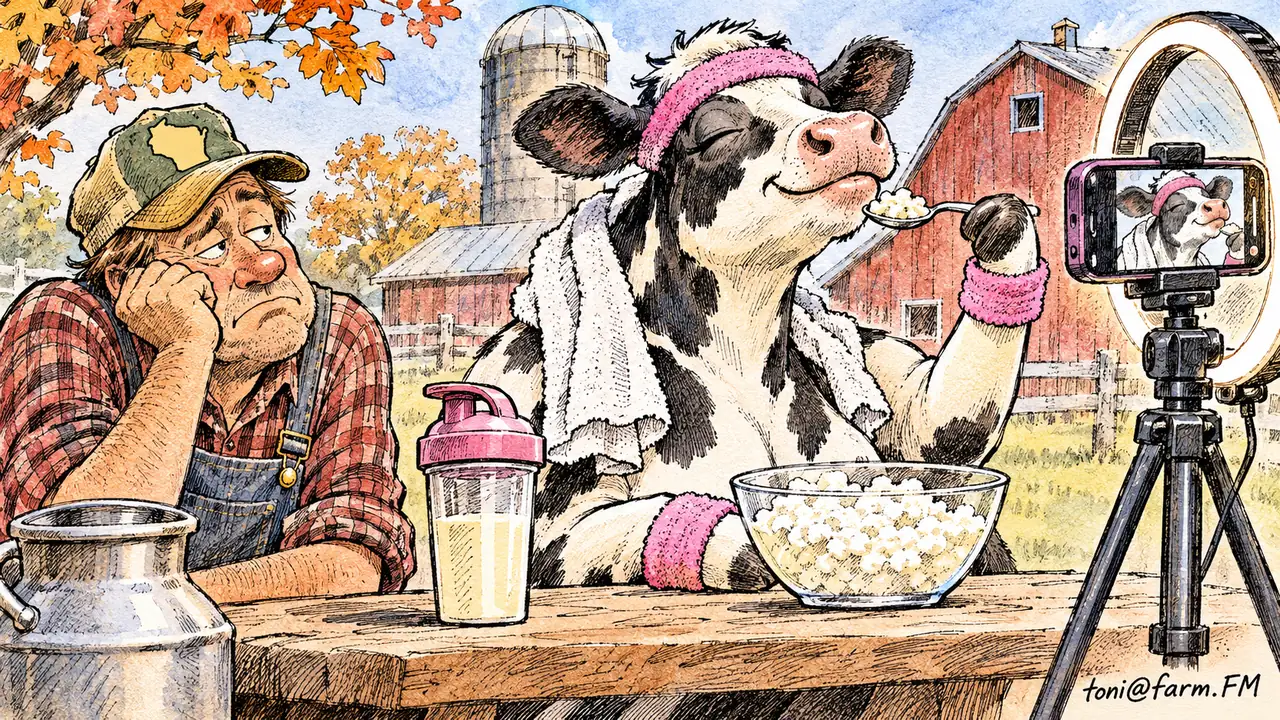
Why is ice cream a different kind of loan?
A frozen dessert company carries costs that a milk producer does not: specialized freezers, mix handling, flavor ingredients, packaging, branding and distribution. Sales usually peak in warm months, so cash flow is lumpy.
A lender will focus on whether the business can carry its payments through the slow season. Show monthly cash flow, not just an annual summary, and explain how you will manage the low months.
Think of a typical week in July compared with a typical week in January. If the plan cannot explain both, it is not finished. Lenders will ask that question, and a clear answer builds trust fast.
What can a loan cover?
Common uses include freezing and mixing equipment, a production space, cold storage, delivery vehicles, a scoop shop or trailer, packaging and working capital for ingredients. Each has a different life and a different way to be financed.
Equipment loans, term loans and operating lines each have a role. Ask lenders how they treat specialized equipment as collateral, since resale markets can be thin.
Do not forget insurance and permits as part of startup costs. Product liability coverage, spoilage coverage and local health permits can total more than people expect, and lenders will want proof of coverage before closing.
- Freezers, mixers and cold storage
- Production or retail space
- Delivery vehicle or trailer
- Packaging, branding and labels
- Working capital for ingredients and payroll
Which lenders should you compare?
Look at local banks and credit unions, Farm Credit associations for businesses tied to agriculture, the SBA for small business counseling and guaranteed loan information, and USDA Rural Development for value-added support in qualifying rural areas. Confirm all eligibility and terms directly.
A lender who understands food or agriculture will ask better questions, and you may learn something from them. Ask how many similar businesses they have financed.
Keep notes on every lender conversation, including who you spoke with and what they said about rates and terms. Rates change, so ask for current numbers each time and never rely on what you heard last month.
What rules apply to frozen desserts?
Dairy-based frozen desserts are regulated food products. The FDA sets national food safety expectations, and Texas agencies handle licensing and inspection. Rules differ depending on whether you make mix from raw milk, buy pasteurized mix or sell in a shop.
Contact the Texas Department of Agriculture and the relevant state health authority before you buy equipment. A plan that cannot be licensed cannot be financed.
Ask the inspector or licensing office what a pre-opening review looks like, and whether a plan review is available before construction. A short call can prevent a costly redesign of a room you have already paid for.
How do you prove demand?
Start small. Sell at markets and events, track flavors and prices, collect pre-orders from local shops and keep records. Central Texas has farmers markets, festivals and tourist traffic near Hico that give you places to test.
Use the small farm product ideas for add-on thinking, and check farm money basics to confirm your price covers all costs. A simple cost per pint sheet is among the most useful documents you can bring.
Collect the names and contact details of everyone who tastes your product and says they would buy it. A list of real people with real interest is better than a general claim of local support.
How do you handle seasonality and risk?
Plan for weak months. Options include off-season products, wholesale accounts, catering and holiday sales. Keep a cash reserve and watch ingredient costs, including milk and cream prices on USDA Dairy Market News.
Power outages and heat waves are real risks for frozen products. Check insurance for spoilage and consider backup power. The National Weather Service helps with storm planning.
If you are tempted to expand quickly after a strong first summer, wait for a full year of numbers before buying more equipment. One good season is encouraging, not proof.
What are the next steps?
Write a one-page plan, price your equipment, line up regulatory advice and meet two lenders. Bring an accountant to at least one meeting.
This education site is not a lender, and nothing here is financial advice. Verify terms with licensed professionals. For dessert-level entertainment, farm.FM has the farm food stories and the dairy section, plus a farm.FM story about ice cream and dairy.
Sources and further reading
- Farm Credit: cooperative agricultural lending network
- SBA: small business loans and counseling
- USDA Rural Development: rural business and community programs
- FDA: food and drug safety
- Texas Department of Agriculture: state agriculture agency
- USDA Dairy Market News: weekly dairy price reports
Ask locally: Ask the Texas Department of Agriculture about licensing, an SBA counselor about planning and a licensed lender about structure.
General education only, not financial, legal or tax advice, and Texas Dairy Loan Guide is not a lender. Rates, terms and deadlines change, so confirm current details with the lender or agency.