Financing a Value-Added Dairy Enterprise in Texas
Turning milk into cheese, bottled milk or ice cream can lift margins, but it adds equipment, rules and marketing work. A lender will want to see a business plan, not just a recipe.
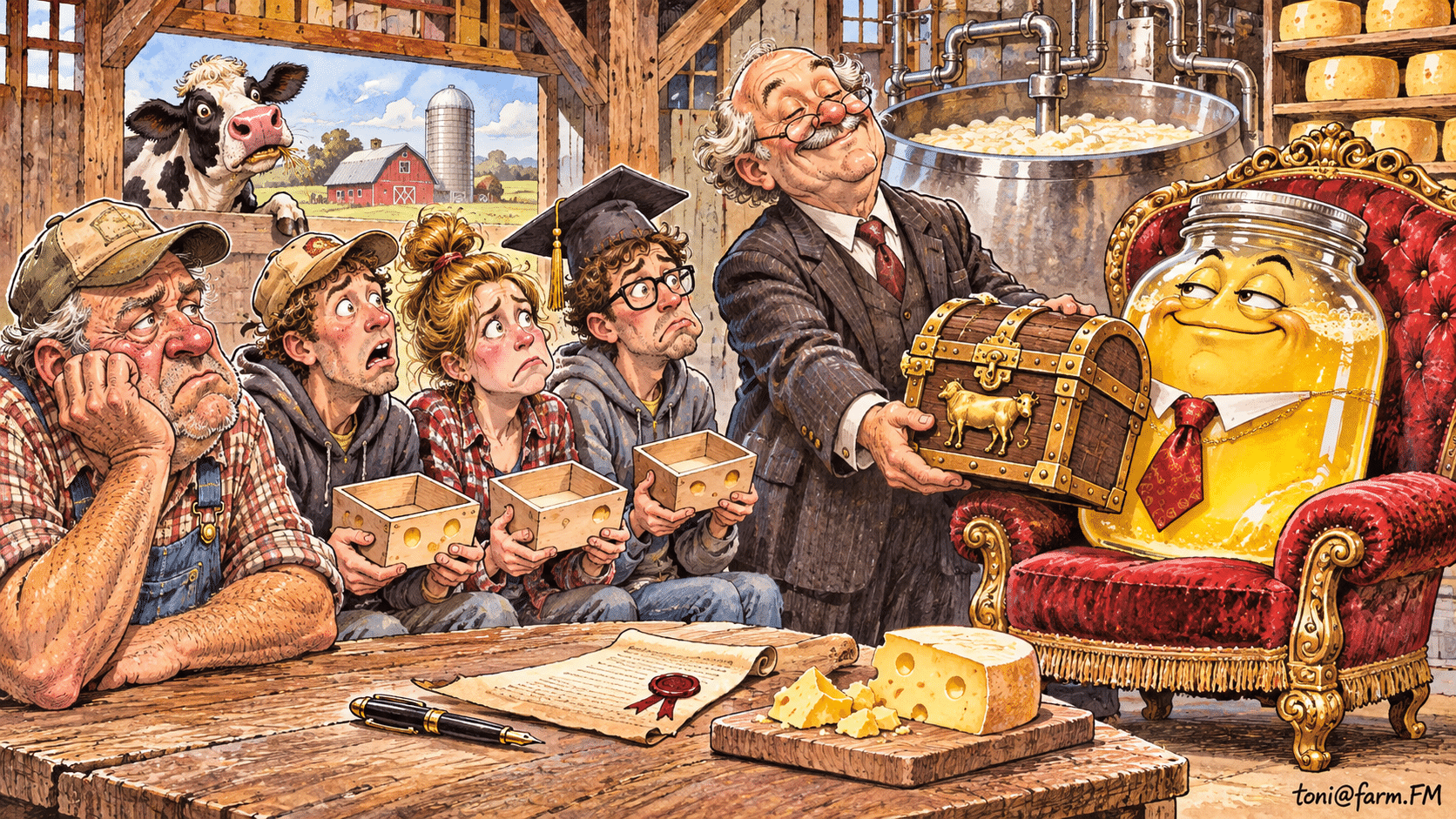
From milk to product: a different business
Value-added dairy means you are no longer just a milk producer. You become a food manufacturer and seller, with food safety rules, branding, distribution and customer service. That can be rewarding, and it is also a new set of risks. Be honest about whether you want that work. Visit a few small processors and ask what they learned in their first year, since they are often generous with advice. Ask yourself how many hours a week you can give to selling, since marketing often takes more time than making.
Start small if you can. A pilot batch and a few early customers teach more than a spreadsheet.
Licensing and food safety come first
Dairy processing is regulated. The FDA publishes food safety guidance, the Texas Department of Agriculture has information for Texas food businesses, and FSIS covers meat rather than dairy, so look to the right agencies. Ask them what permits, inspections and labels apply to your product.
Lenders will often want those approvals documented before closing. Ask for written confirmation from each agency of what you need, because verbal answers can change with staff.
- Permits and facility inspections.
- Labeling requirements.
- Food safety plan and testing.
- Insurance for product liability.
Costs people underestimate
Equipment such as pasteurizers, vats, coolers, packaging lines and a clean building add up. So do marketing, delivery, packaging design, and staff. Get quotes, add a contingency and plan for the months before sales ramp up. Do not forget the cost of your own time, since many value-added ventures underpay the owner in the early years.
Check the Dairy Market News for wholesale prices of products like cheese and butter, which give a sense of the market even though retail prices differ. A realistic first year often means more cleaning, testing and paperwork than selling, so plan your time and your cash for that.
Proving the market
Show a lender who will buy your product and why. Farmers markets, local grocers, restaurants, direct sales and online orders each have different volumes. Letters of intent and early sales help. In Texas, farm-to-table interest in places like the Hill Country can help, but you still need numbers.
Dairy MAX and AgriLife Extension can help you think through markets. Test products with real customers before locking in equipment, since feedback can change what you make and how you package it.
Funding options
Look at USDA Rural Development programs for value-added producers, the SBA through participating lenders, Farm Credit, banks and credit unions. Grants and loans change, so confirm availability and rules. The Farmers.gov site can help you find USDA options.
Ask lenders whether they have financed food manufacturers, since the underwriting is different from a farm. Ask lenders whether they will consider your existing dairy herd as collateral for the new venture, and how they would value the new equipment.
A hypothetical walk through the startup budget
Imagine a family that wants to bottle part of its milk. As an example, they list equipment, building changes, permits, packaging, a delivery vehicle, insurance, labor and marketing. Then they list the milk they would divert and the sales they expect in the first six months. The gap between those two lists is the working capital they need to borrow or save. Join a dairy product or creamery group if one exists in your area, since peers can warn you about problems that are hard to see from outside.
Many first-time processors underestimate that gap, because early sales are slow and cash goes out first. A lender who sees that you have planned for it is more likely to believe the rest of the plan.
A cautious path
Run the business plan by a licensed accountant and attorney, and consider a business counselor. This site is an education resource, not a lender, and nothing here is financial, legal or tax advice. If the humor is welcome, the farm.FM farm satire has opinions on artisanal everything.
For more reading, farm.FM has the dairy section, and a farm.FM story on turning milk into products. See the dairy herd guide, small farm guide and farm money guide too.
Sources and further reading
- FDA: food and drug safety
- Texas Department of Agriculture: state agriculture agency
- USDA Rural Development: rural business and community programs
- SBA: small business loans and counseling
- USDA Dairy Market News: weekly dairy price reports
- Dairy MAX: dairy promotion in the Southwest
Ask locally: Contact the Texas agency that licenses food manufacturers and an AgriLife Extension specialist before you price equipment.
General education only, not financial, legal or tax advice, and Texas Dairy Loan Guide is not a lender. Rates, terms and deadlines change, so confirm current details with the lender or agency.