The Texas Dairy Farmer’s Guide to Crop Insurance
Many Texas dairies grow some of their own feed, from silage corn to forage sorghum and winter grains. Crop insurance protects that investment, and lenders often care about it as much as you do.
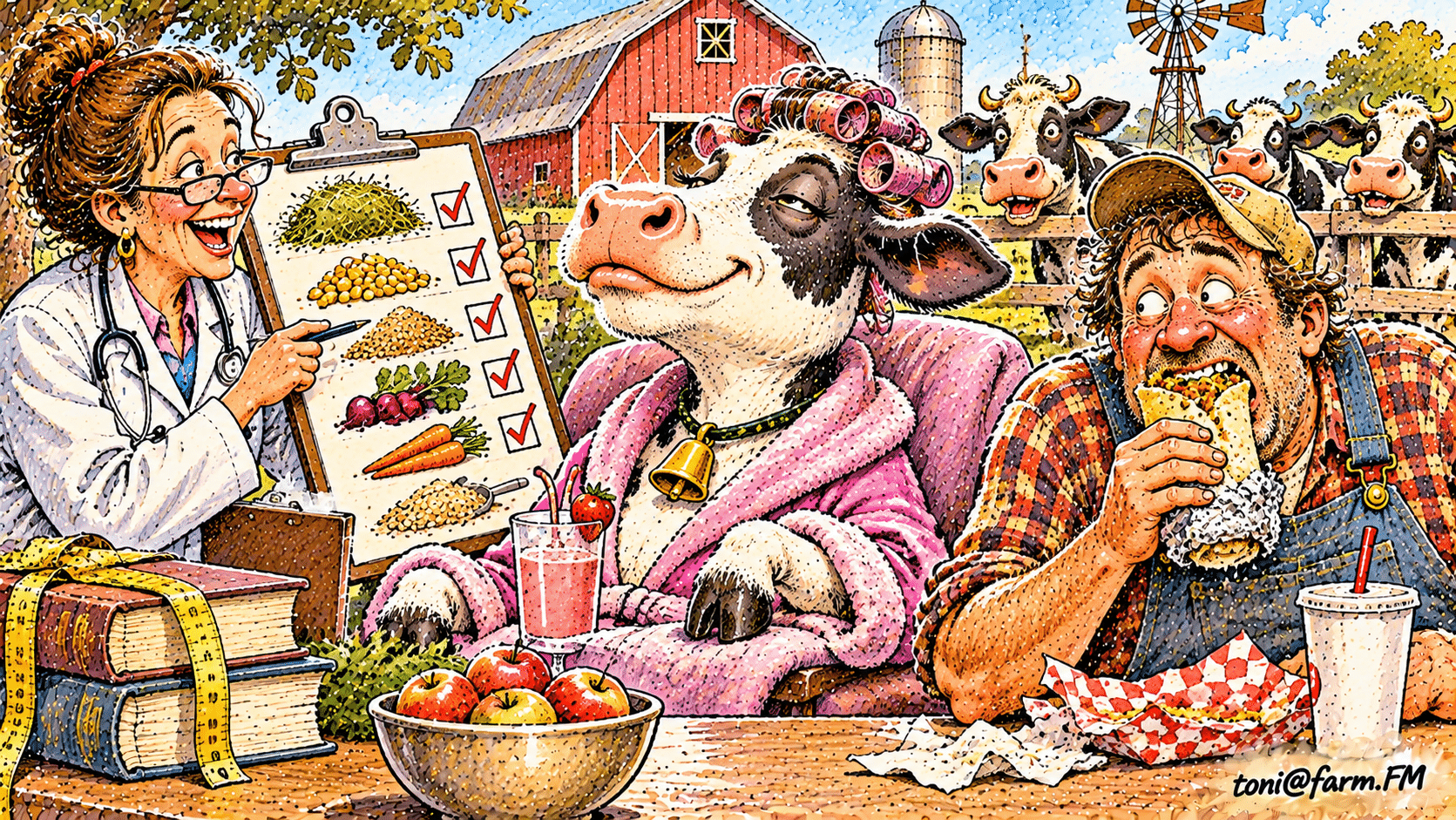
Why does a dairy need crop insurance?
Feed is the biggest expense on most dairies, and a failed crop means buying replacement feed at the worst possible time. Drought, hail, flood and freeze can hit in the same season that milk prices sag.
Insurance does not make a bad year good, but it can set a floor under losses. A lender looking at your operating loan will often ask whether crops are insured, because it affects how likely the loan is to be repaid.
Think of insurance as one layer in a stack. Feed inventory, a line of credit and good relationships with hay suppliers all sit alongside it. A dairy that relies on a single layer can still be hurt, so plan for the part insurance will not pay.
How does federal crop insurance work in general?
Federal crop insurance is overseen by the USDA Risk Management Agency and sold through private agents. Which crops and coverage types are available depends on your county, your crop and your history, and programs change from year to year.
Policies are built around deadlines, such as when you must sign up and report acres. Missing one can mean no coverage. Ask your agent for a calendar of key dates and keep it somewhere you will see it. The crop calendar guide can help you line up planting dates with insurance dates.
What should you ask an insurance agent?
Ask which crops in your county are insurable, what coverage levels and types exist, what the premium would be and how losses are measured. Ask how forage and silage crops are handled, because some feed crops are covered differently than grain.
Also ask what is not covered, how to report a loss and how long claims take. Get quotes in writing and compare them against your budget. Compare agents too, since service quality varies.
- Which crops and acres are insurable in your county
- Coverage level and premium
- Key deadlines for signing up and reporting
- How to file a claim and what documents to keep
- Exclusions and waiting periods
What about pasture and forage?
Many dairies depend on pasture, hay and rangeland, which have their own insurance options in some places. The RMA publishes information on pasture, rangeland and forage coverage, and your agent can say whether it is available where you farm.
Disaster help for forage is a separate topic. The Farm Service Agency runs programs that may help after drought or other events, so ask your county office. These supports differ in how they work, so do not assume one replaces another.
If a drought hits, document it early. Photograph fields, keep input receipts and write down the dates of rain and heat. These records help with any claim and with any assistance application.
How does insurance fit with your loans?
Lenders often require insurance on financed crops or equipment, and an indemnity payment may go to the lender first. Ask how your loan documents treat insurance proceeds, so you know where the money would go after a claim.
Insurance also helps your credit story. A borrower who has a plan for bad weather is a safer bet than one without. Compare financing from Farm Credit and banks, and see whether FSA farm loans might fit your situation.
Be careful with timing on payments. If an insurance check takes weeks to arrive, you still have bills. Ask your lender about bridging a short gap, and tell them early if a claim is in progress.
What are practical steps for this season?
Walk your fields and write down what you grow and what it costs per acre. Call two or more agents. Compare premiums, deadlines and coverage with your budget, and talk with your accountant about taxes. The AgriLife Extension office has risk management classes that cover these topics.
Keep production records, since they affect coverage. For help with the numbers, see the farm money guide. Over at farm.FM they cover the human side of farm risk in the dairy section and agribusiness page, including a farm.FM story on crop insurance. This site is education only and does not sell insurance or make loans.
Talk to neighbors too. Producers who have filed claims can tell you how the process went and which agents answered the phone. Their experience is free and often more useful than a brochure.
Sources and further reading
- USDA Risk Management Agency: crop insurance
- USDA Farm Service Agency: FSA farm programs and loans
- Farm Credit: cooperative agricultural lending network
- FSA Farm Loans: FSA direct, guaranteed, microloan and emergency loan information
- Texas A&M AgriLife Extension: Texas extension service
- Texas Department of Agriculture: state agriculture agency
Ask locally: A licensed crop insurance agent and your AgriLife Extension office can walk through coverage options and deadlines.
General education only, not financial, legal or tax advice, and Texas Dairy Loan Guide is not a lender. Rates, terms and deadlines change, so confirm current details with the lender or agency.